Glen of Imaal Terrier
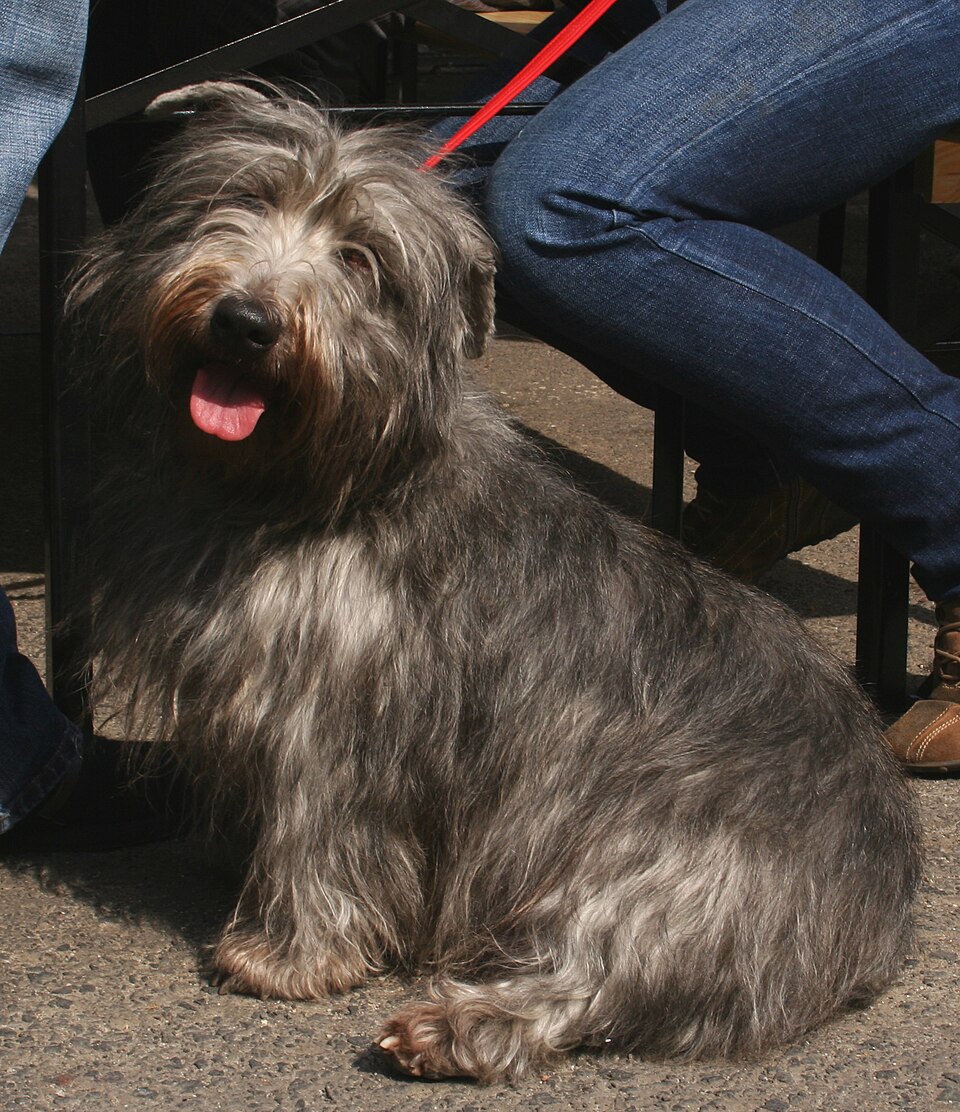
Low, powerful Irish terrier developed for demanding farm and vermin work.
| Size | Weight | Height | Lifespan |
|---|---|---|---|
| Medium | 32 - 40 lbs | 12 - 14 inches | 10 - 15 years |
| (These are estimates and may vary.) | |||
Origin: Ireland
Own a Glen of Imaal Terrier? Share what activities they enjoy to help other dog owners.
Select up to 5 Activities
Know a Glen of Imaal Terrier? Share their personality traits to help other dog owners.
Select up to 5 traits
May be a good fit if you:
- Want a dog that is generally responsive to consistent, positive training.
- Are looking for a breed that generally does well with children.
- Are a first-time dog owner looking for a relatively approachable breed.
Things to consider:
- This breed tends to need plenty of regular physical activity.
The Glen of Imaal Terrier developed in the remote Glen of Imaal in County Wicklow, Ireland. Farmers in this rugged region needed compact, hardy dogs that could handle a range of practical jobs without requiring much space or food. Glens hunted rats, foxes, badgers, and other quarry, and their low bodies and powerful front ends were useful when working close to the ground. Unlike many terriers bred for a flashy or highly vocal style of hunting, the Glen developed a reputation for working with unusual quietness. A popular story also claims that the dogs operated turnspits, treadwheel-like devices used to rotate meat over a fire. While turnspit dogs certainly existed, firm historical evidence specifically tying the Glen of Imaal Terrier to this job is limited, so the claim is best treated cautiously. The breed remained largely local for many years and was one of Ireland's lesser-known native terriers. The Irish Kennel Club recognized it in 1934, but international recognition came much later. The American Kennel Club did not fully recognize the Glen until 2004. It remains relatively rare today, preserving the heavy bone, bowed front legs, determination, and practical build of a terrier shaped by demanding rural work.