Shetland Sheepdog
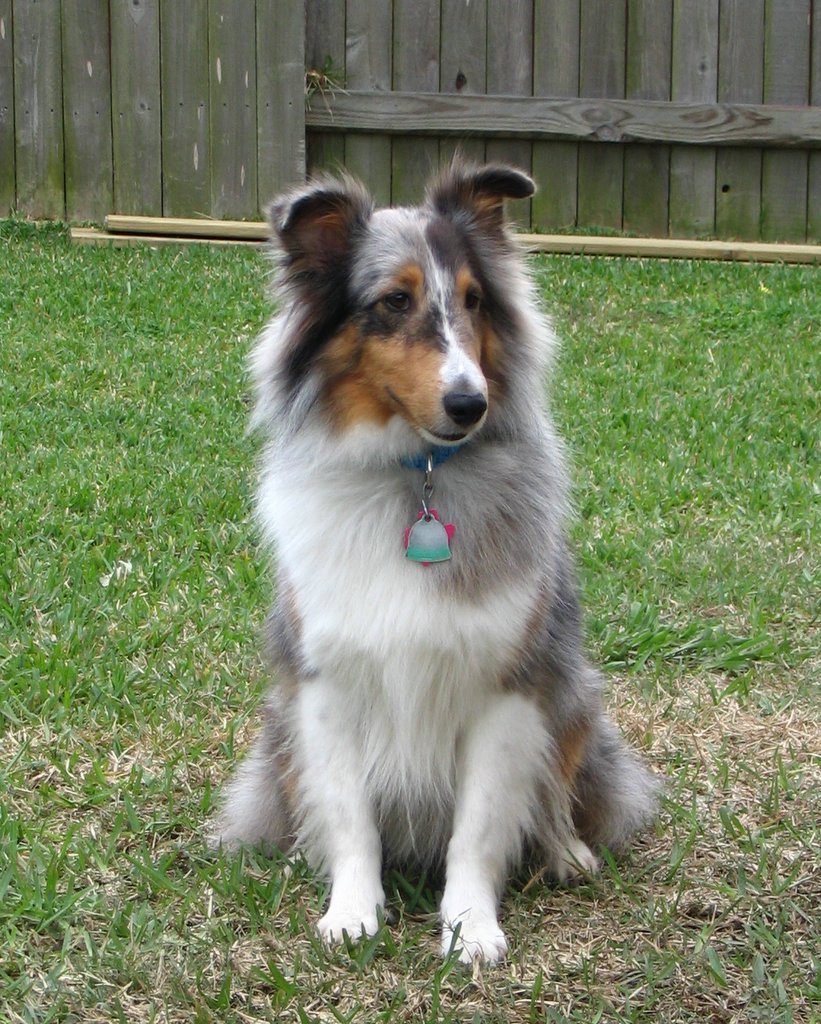
Bright, responsive island herder known for its loyalty and striking coat.
| Size | Weight | Height | Lifespan |
|---|---|---|---|
| Small | 15 - 25 lbs | 13 - 16 inches | 12 - 14 years |
| (These are estimates and may vary.) | |||
Origin: United Kingdom
Own a Shetland Sheepdog? Share what activities they enjoy to help other dog owners.
Select up to 5 Activities
Know a Shetland Sheepdog? Share their personality traits to help other dog owners.
Select up to 5 traits
May be a good fit if you:
- Are looking for a breed that generally does well with children.
- Want a dog that generally gets along well with other dogs.
- Are a first-time dog owner looking for a relatively approachable breed.
Things to consider:
- This breed may not do well when left alone for long periods.
- Coat maintenance may require significant regular grooming.
The Shetland Sheepdog developed on the remote Shetland Islands north of Scotland, where farmers needed small, hardy dogs capable of working in a harsh climate with limited resources. Early Shetland herding dogs helped manage sheep, ponies, and poultry and were valued as alert farm companions as well as workers. Their exact ancestry is complicated, but Scottish herding dogs formed an important part of their background, with other small dogs on the islands also influencing the developing type. When visitors began taking the attractive little dogs back to mainland Britain around the turn of the 20th century, organized breeding and showing followed. Early Shelties varied considerably in appearance, and breeders increasingly crossed and selected them to produce the refined, Collie-like dog recognized today. The breed was originally shown under names including the Shetland Collie, but Collie enthusiasts objected to that name, and Shetland Sheepdog became standard. Britain's Kennel Club recognized the breed in 1909. Although modern Shelties are often companions and performance dogs, their quick reactions, attentiveness, tendency to bark, and strong responsiveness to people all make sense in light of their island farm-dog origins.