Petit Basset Griffon Vendéen vs Basset Fauve de Bretagne
Overview
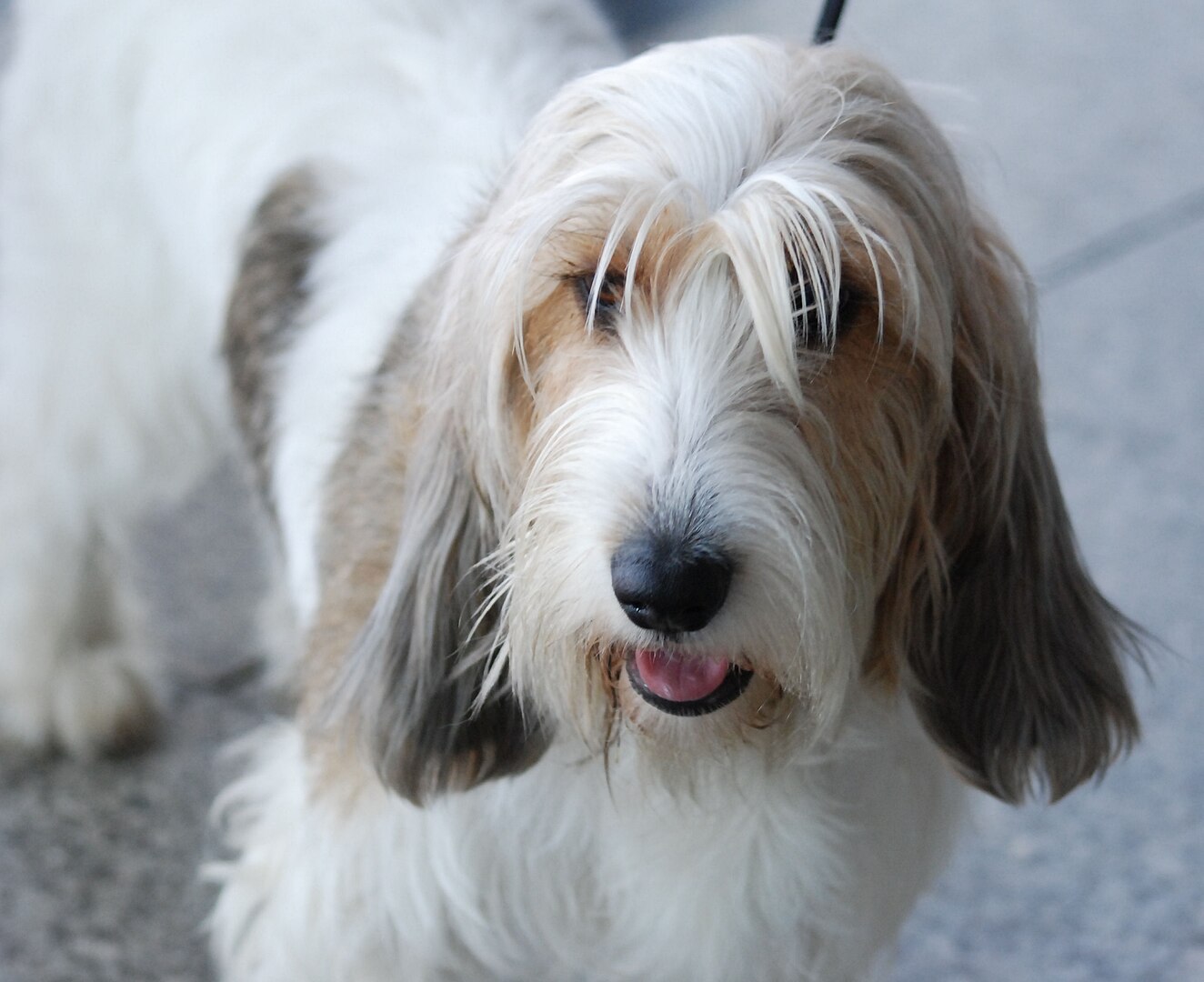
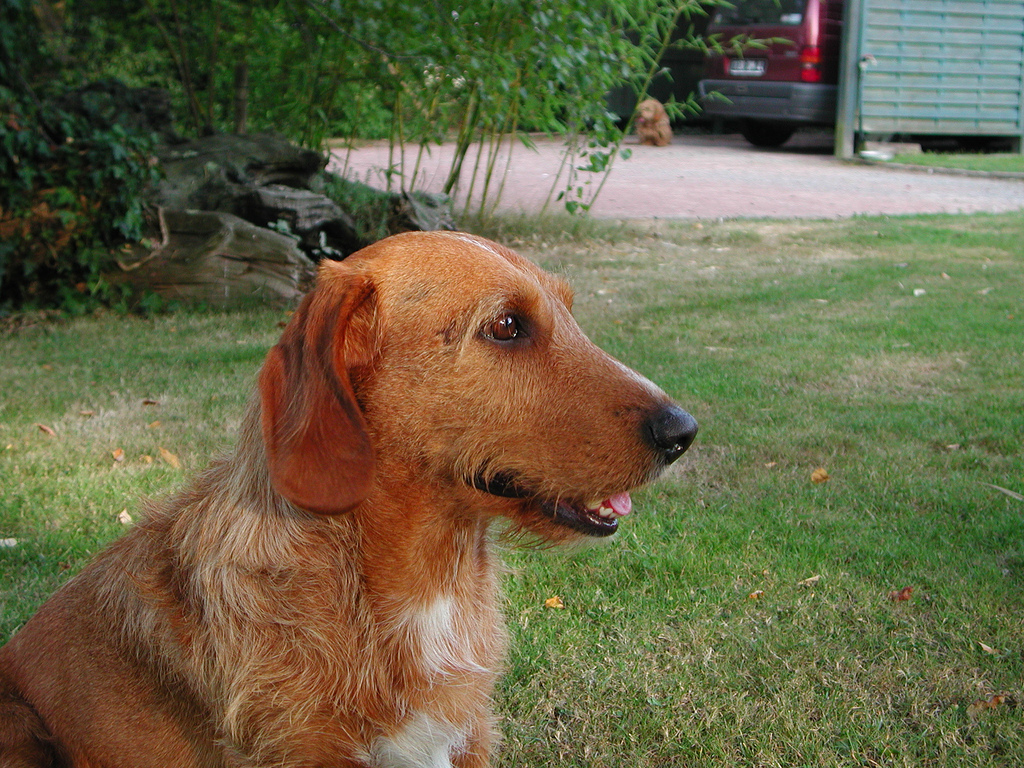
The Petit Basset Griffon Vendéen and Basset Fauve de Bretagne are worth comparing if you are narrowing down the right dog for your home. The Petit Basset Griffon Vendéen is a sporting breed developed for active work, while the Basset Fauve de Bretagne is a distinctive companion or working breed. Looking beyond appearance can help you understand which dog is likely to fit your schedule, space and experience.
Key Differences
An important consideration is everyday care. With the Petit Basset Griffon Vendéen, plan for daily exercise, training and breed-appropriate grooming. With the Basset Fauve de Bretagne, expect appropriate exercise, training and routine care. Their exercise needs, grooming routines and responses to training can differ, and individual dogs will not always match breed averages. Compare the live size and trait ratings above, then consider the temperament and health history of the specific dog you meet.
Breed Ratings Comparison
Know these breeds?
Think the ratings are off? Share your experience and help other dog owners.
Why Choose Petit Basset Griffon Vendéen
Consider a Petit Basset Griffon Vendéen if you are among owners who enjoy an active sporting companion. Be realistic about the time required for daily exercise, training and breed-appropriate grooming, and ask a responsible breeder or rescue about the individual dog’s activity level, temperament and health.
Why Choose Basset Fauve de Bretagne
Consider a Basset Fauve de Bretagne if you are among owners whose lifestyle matches its individual needs. Make sure you can provide appropriate exercise, training and routine care, and look for a dog whose individual personality fits your household.
Final Thoughts
Neither the Petit Basset Griffon Vendéen nor the Basset Fauve de Bretagne is automatically the better choice. Focus on daily exercise, grooming, training and the individual dog’s needs rather than appearance alone. Meet dogs from both breeds when possible and use the comparison table to explore their differences.