Akita
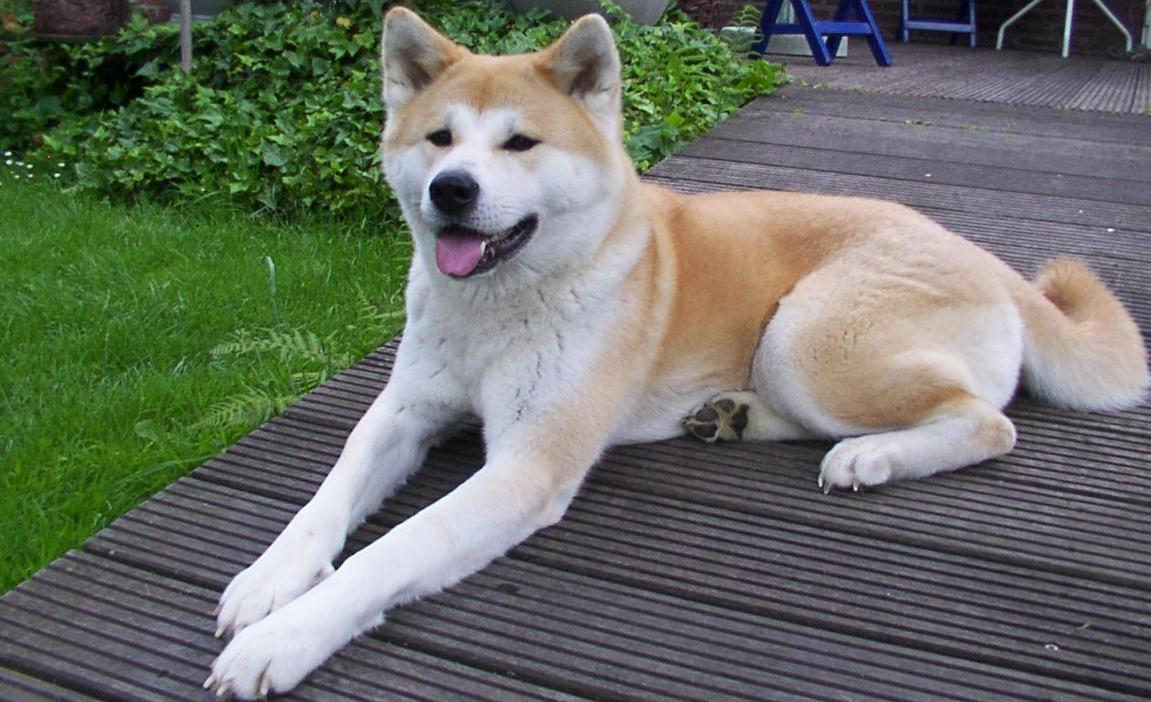
Powerful Japanese breed known for its loyalty, dignity, and independent nature.
| Size | Weight | Height | Lifespan |
|---|---|---|---|
| Giant | 70 - 130 lbs | 24 - 28 inches | 10 - 14 years |
| (These are estimates and may vary.) | |||
Origin: Japan
Own a Akita? Share what activities they enjoy to help other dog owners.
Select up to 5 Activities
Know a Akita? Share their personality traits to help other dog owners.
Select up to 5 traits
May be a good fit if you:
- Want a dog that is generally responsive to consistent, positive training.
- Are looking for a breed that generally does well with children.
- Are a first-time dog owner looking for a relatively approachable breed.
Things to consider:
- Regular shedding means you may need to be comfortable with loose hair around the home.
- This breed tends to need plenty of regular physical activity.
The Akita originated in northern Japan, particularly Akita Prefecture on the island of Honshu. Its ancestors were regional hunting dogs used for demanding work that included pursuing animals such as boar and deer. Over time, larger dogs were developed and the Akita became associated not only with hunting but also with guarding and status. Crossbreeding with imported breeds during the late 19th and early 20th centuries changed the appearance of many Japanese dogs, prompting preservation efforts aimed at restoring native types. The Akita was designated a Japanese Natural Monument in 1931. The breed suffered badly during the Second World War, when food shortages made maintaining large dogs difficult and many dogs were lost. Different surviving bloodlines contributed to the postwar rebuilding of the breed. American servicemen brought Akitas home from Japan, and breeding in the United States gradually favoured a larger, heavier type that became distinct from the Japanese Akita Inu. One Akita became especially famous in Japan: Hachikō continued returning to Tokyo's Shibuya Station for years after his owner died in 1925. His loyalty became nationally celebrated, and a statue at the station remains one of Japan's best-known dog memorials.