Barbet
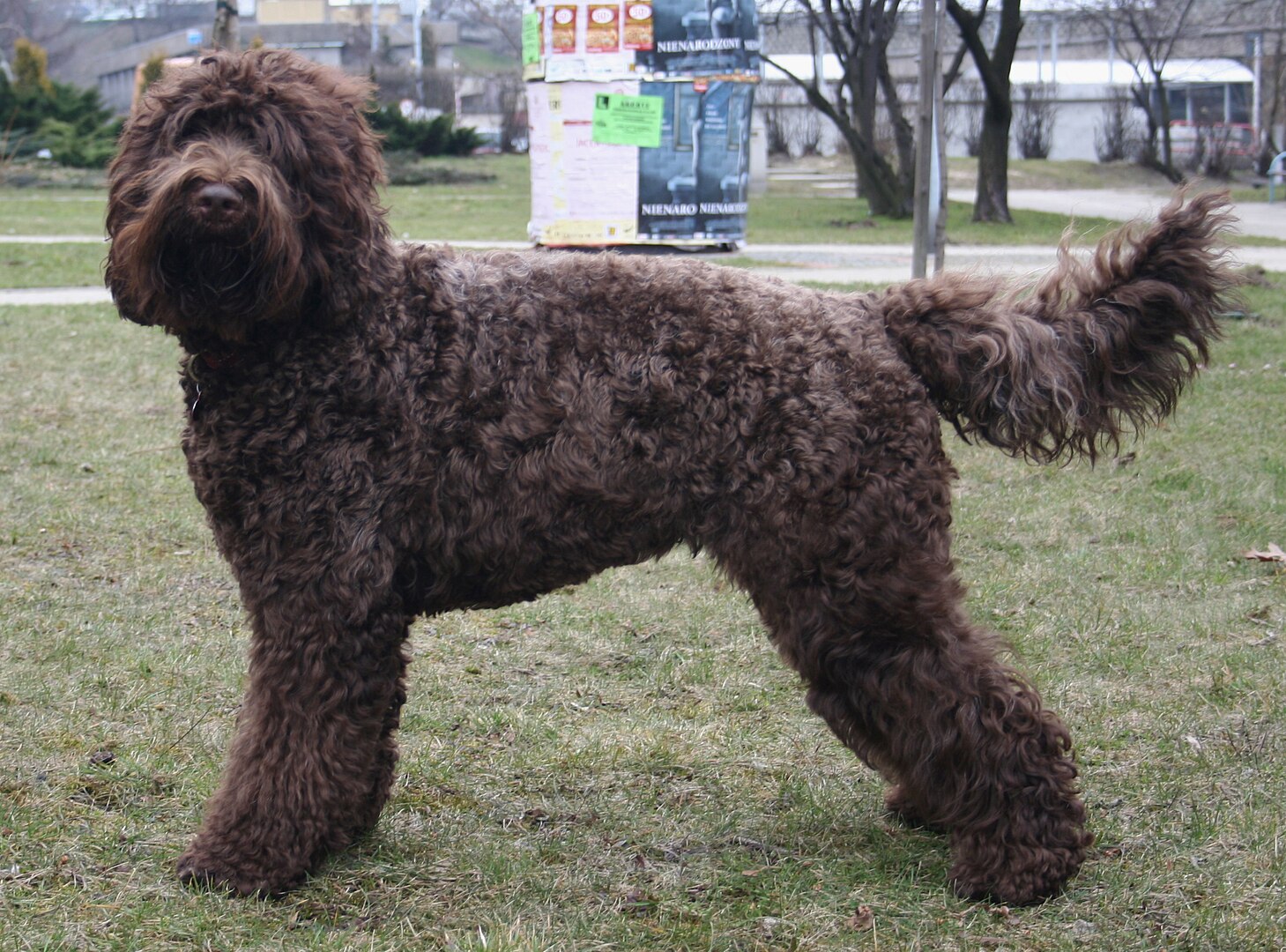
Shaggy French water dog developed for flushing and retrieving game from wetlands.
| Size | Weight | Height | Lifespan |
|---|---|---|---|
| Large | 35 - 65 lbs | 19 - 25 inches | 12 - 14 years |
| (These are estimates and may vary.) | |||
Origin: France
Own a Barbet? Share what activities they enjoy to help other dog owners.
Select up to 5 Activities
Know a Barbet? Share their personality traits to help other dog owners.
Select up to 5 traits
May be a good fit if you:
- Are looking for a breed that generally does well with children.
- Are a first-time dog owner looking for a relatively approachable breed.
Things to consider:
- This breed may not do well when left alone for long periods.
The Barbet is a French water dog with a history tied to hunting wetlands, marshes, and waterways. Rough-coated water dogs were known in Europe for centuries, and the French word "barbe," meaning beard, gave the Barbet its name. Hunters used these shaggy dogs to locate, flush, and retrieve waterfowl, jobs that demanded swimming ability, endurance, and a coat capable of offering protection in cold water. Historical references to barbets sometimes described a broad type of water dog rather than the precisely standardized modern breed, so claims connecting every old depiction directly to today's Barbet should be treated cautiously. Nevertheless, the breed belongs to an old European water-dog tradition that also influenced the development of several other curly or rough-coated breeds. By the 19th century, more specialized sporting breeds reduced the Barbet's popularity, and its numbers became dangerously low during the 20th century, particularly around the World Wars. French breeders worked from the limited surviving population to restore the breed. International interest has increased substantially in recent decades, and the American Kennel Club granted the Barbet full recognition in 2020. Its webbed feet, dense curly coat, enthusiasm for water, and retrieving instincts remain closely connected to its traditional role alongside French waterfowl hunters.