Belgian Sheepdog (Groenendael)
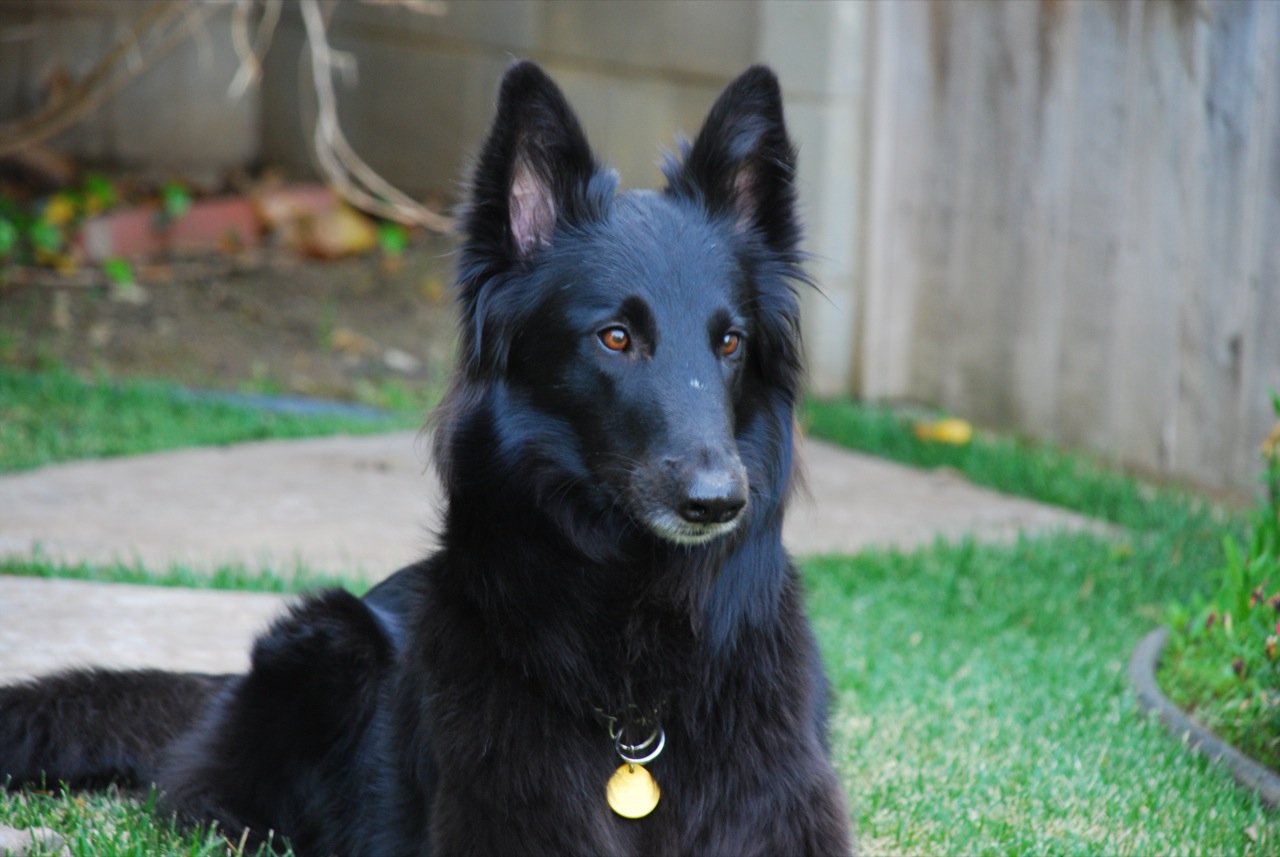
Elegant black Belgian herder known for its intelligence, agility, and versatility.
| Size | Weight | Height | Lifespan |
|---|---|---|---|
| Large | 45 - 75 lbs | 22 - 26 inches | 12 - 14 years |
| (These are estimates and may vary.) | |||
Origin: Belgium
Own a Belgian Sheepdog (Groenendael)? Share what activities they enjoy to help other dog owners.
Select up to 5 Activities
Know a Belgian Sheepdog (Groenendael)? Share their personality traits to help other dog owners.
Select up to 5 traits
May be a good fit if you:
- Want a dog that is generally responsive to consistent, positive training.
- Are looking for a breed that generally does well with children.
- Are a first-time dog owner looking for a relatively approachable breed.
Things to consider:
- This breed may not do well when left alone for long periods.
- This breed may be less suited to smaller living spaces.
The Belgian Sheepdog, commonly called the Groenendael, developed from Belgium's varied population of working shepherd dogs. During the late 19th century, Belgian breeders began trying to standardize these capable farm dogs, which shared similar working traits but differed in coat colour and texture. Veterinarian Adolphe Reul played a major role beginning in 1891, examining shepherd dogs and helping establish the foundation of the Belgian Shepherd. The long-haired black variety became closely associated with Nicolas Rose, who operated the Château de Groenendael restaurant near Brussels. Rose bred influential black dogs, including Picard d'Uccle and Petite, whose descendants helped establish the Groenendael type. Like the Malinois, Tervuren, and Laekenois, Groenendaels began as versatile herders and farm guardians but soon demonstrated ability in other jobs. Belgian Shepherds served as messenger, ambulance, and military dogs during the World Wars and later became successful in police work, search tasks, obedience, and dog sports. Kennel clubs classify the four varieties differently. The American Kennel Club recognizes the black Groenendael separately as the Belgian Sheepdog, while many international organizations consider all four coat varieties part of a single Belgian Shepherd breed. Their close shared ancestry remains obvious beneath the different coats.