Caucasian Shepherd Dog
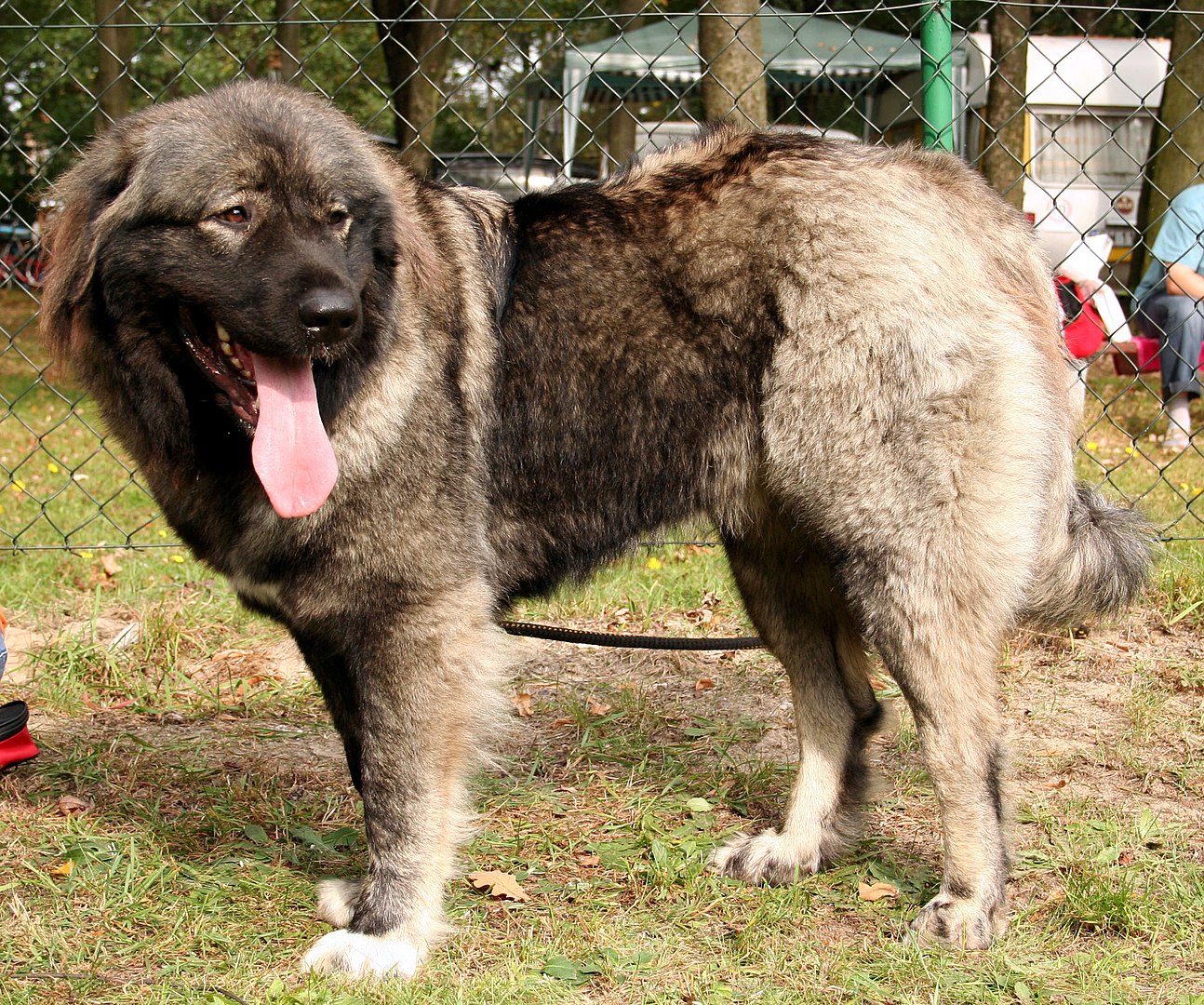
Massive livestock guardian developed to protect flocks in the rugged Caucasus region.
| Size | Weight | Height | Lifespan |
|---|---|---|---|
| Giant | 100 - 170 lbs | 23 - 30 inches | 10 - 12 years |
| (These are estimates and may vary.) | |||
Origin: Georgia
Own a Caucasian Shepherd Dog? Share what activities they enjoy to help other dog owners.
Select up to 5 Activities
Know a Caucasian Shepherd Dog? Share their personality traits to help other dog owners.
Select up to 5 traits
May be a good fit if you:
- Are looking for a breed that generally does well with children.
- Are a first-time dog owner looking for a relatively approachable breed.
The Caucasian Shepherd Dog comes from the Caucasus region between the Black and Caspian seas, where large guardian dogs protected livestock and settlements in demanding mountain environments. Different local populations developed across areas now including Georgia, Armenia, Azerbaijan, and parts of Russia. Shepherds needed dogs capable of confronting predators such as wolves while tolerating severe weather and working independently around flocks. As a result, traditional Caucasian dogs varied according to region and purpose rather than conforming to one precise appearance. During the Soviet period, organized breeding programs brought selected regional dogs together and established a more standardized Caucasian Ovcharka type. The dogs were valued not only for livestock protection but also for guarding property and secure facilities. Their heavy coats, substantial bone, territorial behaviour, and willingness to make independent decisions reflect this guardian heritage. Modern kennel-club examples can be exceptionally large, although sheer size was not the only quality important to traditional shepherds. The Fédération Cynologique Internationale recognizes the Caucasian Shepherd Dog, while the American Kennel Club maintains it in the Foundation Stock Service. Despite its imposing appearance, the breed's historical significance comes from generations of practical protection work in a region where livestock guardians could face severe weather, isolated terrain, and genuine predators.