Harrier
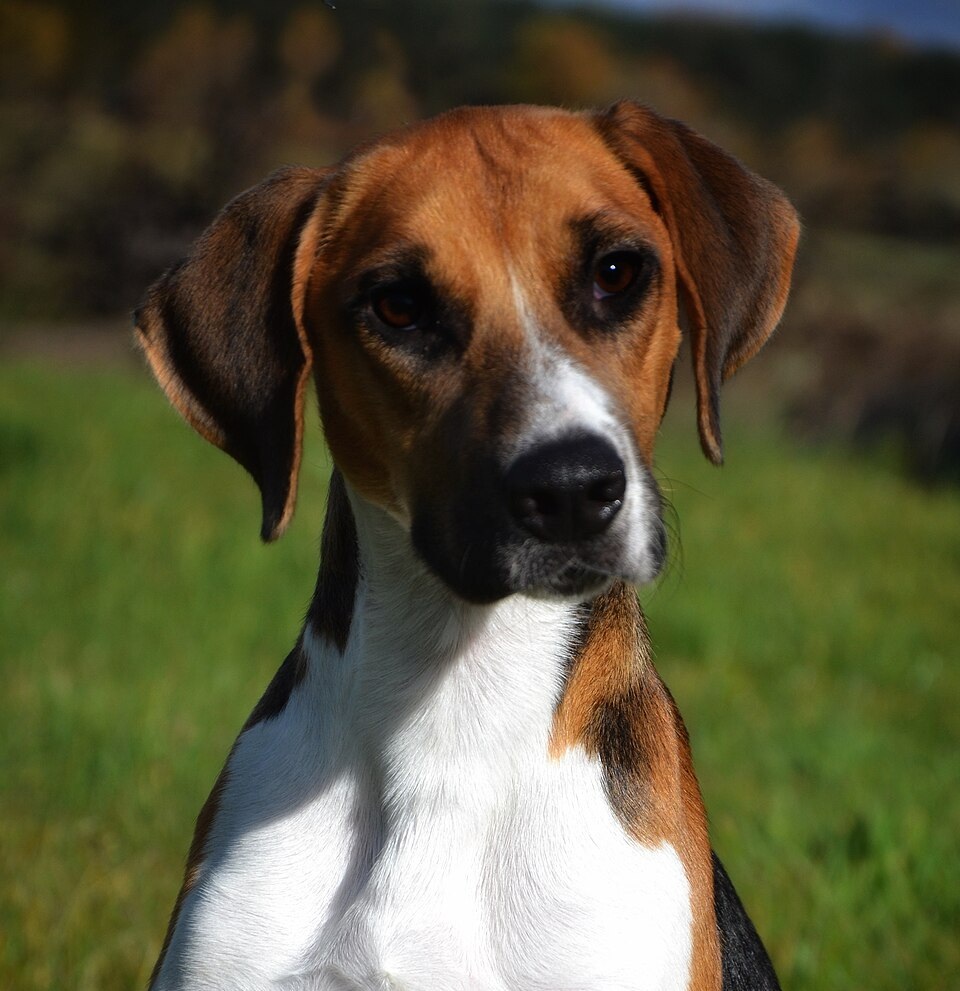
Hardy British pack hound developed to pursue hare across open countryside.
| Size | Weight | Height | Lifespan |
|---|---|---|---|
| Large | 45 - 60 lbs | 19 - 21 inches | 12 - 15 years |
| (These are estimates and may vary.) | |||
Origin: United Kingdom
Own a Harrier? Share what activities they enjoy to help other dog owners.
Select up to 5 Activities
Know a Harrier? Share their personality traits to help other dog owners.
Select up to 5 traits
May be a good fit if you:
- Want a dog that is generally responsive to consistent, positive training.
- Are looking for a breed that generally does well with children.
- Want a dog that generally gets along well with other dogs.
Things to consider:
- This breed may not do well when left alone for long periods.
- This breed may be less suited to smaller living spaces.
The Harrier is a traditional British pack hound developed primarily for hunting hare. Its precise early ancestry is difficult to document, but packs of hounds identified as harriers existed in Britain for centuries. In size and appearance, the breed falls between the larger English Foxhound and smaller Beagle, which suited hunters who needed enough speed and stamina to follow hare across open countryside without producing a hound as large or fast as those used primarily for foxes. Harriers worked together in organized packs, following scent over long distances while hunters followed on foot or horseback. This pack background placed a premium on endurance, a reliable nose, a carrying voice, and the ability to cooperate with other dogs. Organized packs became an established feature of British country life, although individual kennels often maintained their own preferred type rather than breeding to one completely uniform appearance. Harriers were also taken to North America and contributed to the broader tradition of American pack hounds. Despite its long history, the Harrier is now surprisingly uncommon as a recognized purebred dog. Its sociable nature and desire to follow scents still reflect a breed created to spend much of its working life moving through the countryside as part of a pack.