Norwegian Buhund
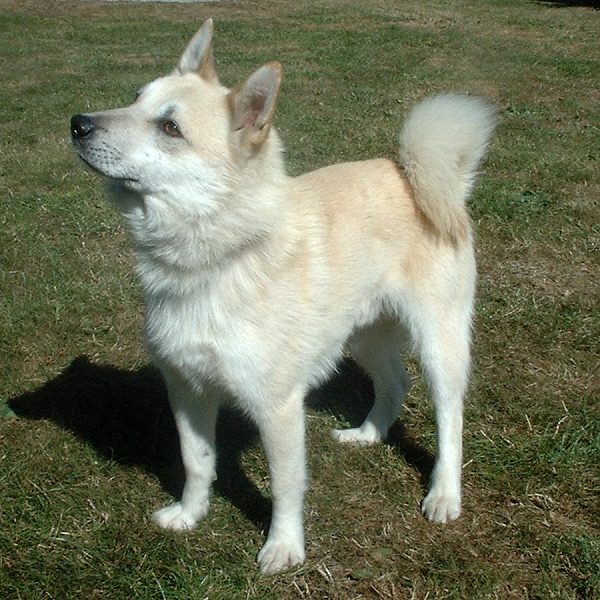
Agile Norwegian spitz traditionally used for herding, guarding, and farm work.
| Size | Weight | Height | Lifespan |
|---|---|---|---|
| Medium | 25 - 40 lbs | 16 - 18 inches | 12 - 15 years |
| (These are estimates and may vary.) | |||
Origin: Norway
Own a Norwegian Buhund? Share what activities they enjoy to help other dog owners.
Select up to 5 Activities
Know a Norwegian Buhund? Share their personality traits to help other dog owners.
Select up to 5 traits
May be a good fit if you:
- Are looking for a breed that generally does well with children.
- Are a first-time dog owner looking for a relatively approachable breed.
Things to consider:
- This breed may be less suited to smaller living spaces.
- This breed tends to need plenty of regular physical activity.
The Norwegian Buhund belongs to the Nordic spitz tradition and developed as an all-purpose farm dog in Norway. Its name combines the Norwegian word "bu," associated with a farm or homestead, with "hund," meaning dog. Buhunds helped herd sheep and cattle, guarded farms, and alerted families to approaching strangers or predators. Their moderate size and agility allowed them to handle varied jobs without becoming cumbersome. Spitz-type dogs have existed in Scandinavia for a very long time, and dog remains have been discovered in Viking-era burials, but archaeological dogs cannot simply be identified as modern Norwegian Buhunds. The recognizable breed was standardized much more recently. Organized interest grew during the early 20th century, with agricultural shows helping farmers compare and preserve good working examples. John Saeland was particularly influential in promoting the breed in Norway, and the first dedicated Buhund show was held in the 1920s. The Norsk Buhundklubb was established in 1939. Buhunds later spread to Britain and North America while remaining comparatively uncommon outside Scandinavia. Their alert barking, eagerness to work, quick movement, and strong attachment to people reflect the versatility required of a dog expected to herd, watch property, and live closely with a Norwegian farming family.