Norwegian Elkhound
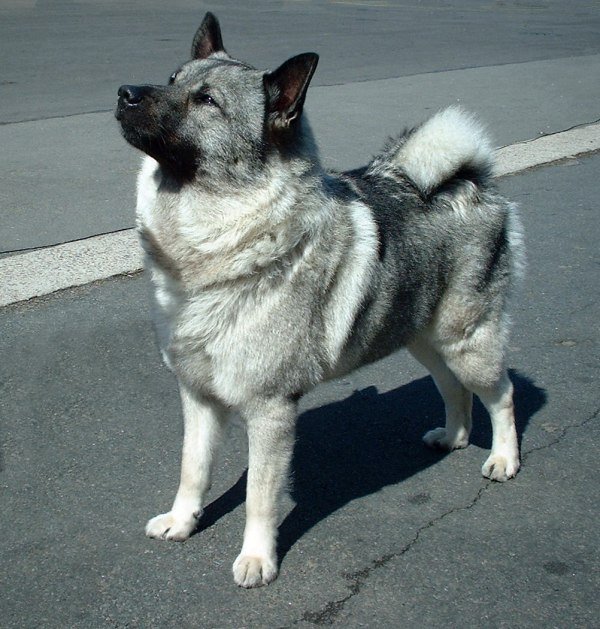
Hardy Norwegian hunting dog known for tracking large game through rugged country.
| Size | Weight | Height | Lifespan |
|---|---|---|---|
| Large | 48 - 55 lbs | 19 - 21 inches | 12 - 15 years |
| (These are estimates and may vary.) | |||
Origin: Norway
Own a Norwegian Elkhound? Share what activities they enjoy to help other dog owners.
Select up to 5 Activities
Know a Norwegian Elkhound? Share their personality traits to help other dog owners.
Select up to 5 traits
May be a good fit if you:
- Want a dog that is generally responsive to consistent, positive training.
- Are looking for a breed that generally does well with children.
- Are a first-time dog owner looking for a relatively approachable breed.
Things to consider:
- Regular shedding means you may need to be comfortable with loose hair around the home.
- This breed tends to need plenty of regular physical activity.
The Norwegian Elkhound is one of Scandinavia's old spitz-type hunting dogs and has deep roots in Norway. Dogs of similar general type have lived in the region for centuries, although archaeological finds cannot establish a direct pedigree from ancient dogs to the modern breed. Norwegian hunters used these sturdy gray dogs primarily to locate and hold large game, especially moose. The English name can be confusing: "elkhound" reflects a translation of the Norwegian elghund, but in Norway "elg" refers to the animal North Americans call a moose. The dog could follow scent across rugged forest, locate the animal, and keep it occupied by barking and moving strategically while the hunter approached. This demanded courage, stamina, independence, and an excellent nose. Elkhounds were also useful as watchdogs and general farm dogs in a harsh northern climate. Organized dog shows and breeding during the 19th century helped standardize the Norwegian Elkhound into the recognizable gray spitz seen today. Its curled tail, dense coat, upright ears, and compact body are well suited to cold conditions. The breed remains used for hunting in Scandinavia, making its traditional working purpose more than simply a historical footnote.