Pyrenean Shepherd
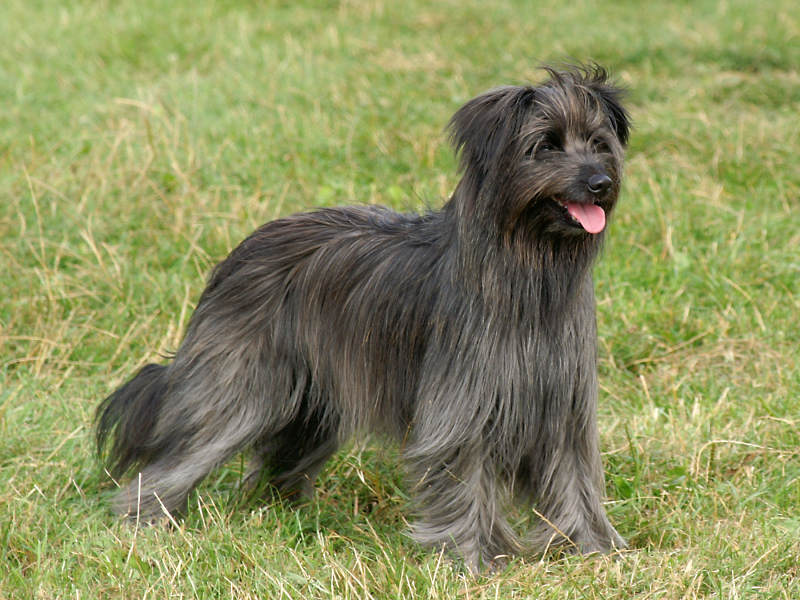
Small, energetic French herder developed to move livestock through mountain terrain.
| Size | Weight | Height | Lifespan |
|---|---|---|---|
| Medium | 15 - 30 lbs | 16 - 21 inches | 17 - 19 years |
| (These are estimates and may vary.) | |||
Origin: France
Own a Pyrenean Shepherd? Share what activities they enjoy to help other dog owners.
Select up to 5 Activities
Know a Pyrenean Shepherd? Share their personality traits to help other dog owners.
Select up to 5 traits
May be a good fit if you:
- Are looking for a breed that generally does well with children.
- Want a breed that tends to adapt well to apartment living.
Things to consider:
- This breed tends to need plenty of regular physical activity.
The Pyrenean Shepherd developed in the Pyrenees Mountains of France as a small but intensely energetic livestock herder. It traditionally worked alongside the much larger Great Pyrenees, but the two breeds performed very different jobs. The Great Pyrenees guarded flocks against predators, while the Pyrenean Shepherd actively moved and managed the sheep. Mountain shepherds needed a dog that was light, agile, quick to react, and capable of covering surprising distances over steep terrain without consuming the food required by a much larger animal. Regional isolation produced considerable variation, and the breed still occurs in Rough-Faced and Smooth-Faced forms. For generations, working ability mattered far more to shepherds than uniform appearance. Pyrenean Shepherds gained wider attention during the First World War, when French forces used dogs of the breed for duties including carrying messages, locating wounded soldiers, and accompanying patrols. Organized breeding and standards became more established after the war as enthusiasts worked to preserve the surviving dogs. The breed remained relatively uncommon outside France for much of the 20th century and received full American Kennel Club recognition only in 2009. Its extraordinary energy and responsiveness are direct products of a working life spent controlling livestock across difficult mountain country.