Shorkie
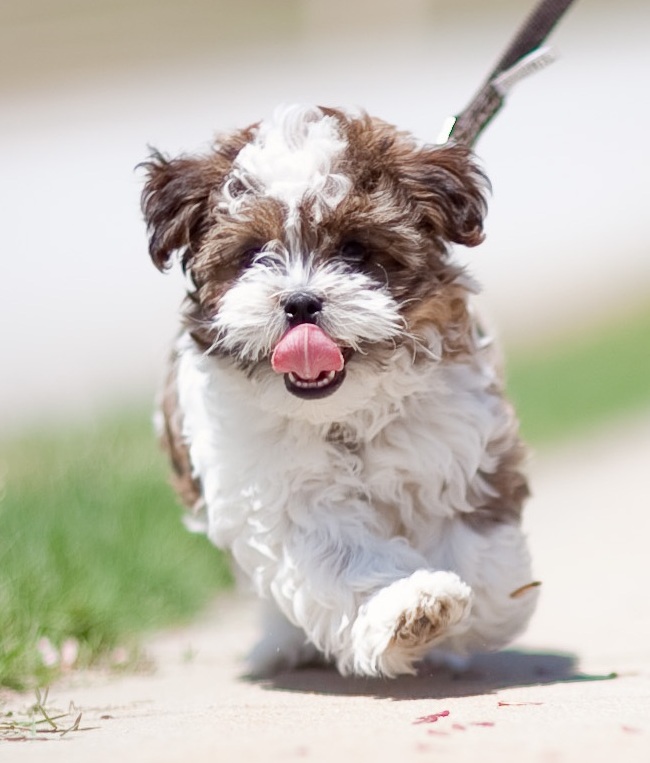
Small Shih Tzu-Yorkie cross known for its lively and affectionate personality.
| Size | Weight | Height | Lifespan |
|---|---|---|---|
| Toy | 5 - 15 lbs | 6 - 14 inches | 11 - 16 years |
| (These are estimates and may vary.) | |||
Origin: United States
Own a Shorkie? Share what activities they enjoy to help other dog owners.
Select up to 5 Activities
Know a Shorkie? Share their personality traits to help other dog owners.
Select up to 5 traits
May be a good fit if you:
- Are a first-time dog owner looking for a relatively approachable breed.
- Want a breed that tends to adapt well to apartment living.
Things to consider:
- This breed may not do well when left alone for long periods.
The Shorkie is a modern companion cross between the Shih Tzu and Yorkshire Terrier. There is no well-documented single origin or founding breeder, and crosses between the two breeds likely existed before the Shorkie name became popular. Intentional breeding expanded alongside the broader designer-dog trend of the late 20th and early 21st centuries. Both parent breeds are small but come from very different backgrounds. The Shih Tzu was developed over centuries as an Asian palace companion, while the Yorkshire Terrier descended from British terriers whose ancestors worked as ratters before becoming fashionable companions. Crossing them can therefore produce a wide range of personalities despite their similarly compact size. Shorkies may inherit the long silky hair associated with either parent, but coat colour, texture, muzzle length, ear carriage, and adult size can all vary. They are generally bred primarily as household companions rather than for a particular working ability. Because both parents tend to form strong attachments to people, many Shorkies are notably people-oriented, though individual temperament is never guaranteed by the cross alone. Major traditional kennel clubs do not recognize the Shorkie as a distinct breed, and there is no single universally accepted breed standard governing its appearance or ancestry.