Spanish Water Dog
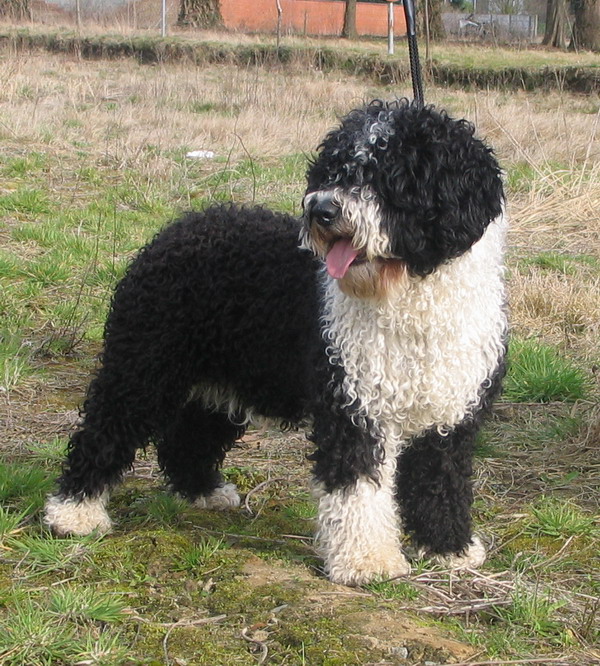
Versatile Spanish working dog known for its curly coat and strong herding instincts.
| Size | Weight | Height | Lifespan |
|---|---|---|---|
| Medium | 30 - 50 lbs | 16 - 20 inches | 12 - 14 years |
| (These are estimates and may vary.) | |||
Origin: Spain
Own a Spanish Water Dog? Share what activities they enjoy to help other dog owners.
Select up to 5 Activities
Know a Spanish Water Dog? Share their personality traits to help other dog owners.
Select up to 5 traits
May be a good fit if you:
- Want a dog that is generally responsive to consistent, positive training.
- Are a first-time dog owner looking for a relatively approachable breed.
Things to consider:
- This breed may not do well when left alone for long periods.
- This breed may be less suited to smaller living spaces.
The Spanish Water Dog is a traditional working breed whose history is tied to rural Spain, particularly areas of Andalusia and other regions where curly-coated dogs performed a variety of jobs. Depending on location, they herded sheep and goats, retrieved from water, assisted fishermen, and worked as general farm dogs. This versatility meant that local populations could differ in size and emphasis while sharing the distinctive curly coat and strong working ability. The breed's deeper ancestry is uncertain, and several theories connect it with other European water dogs, but there is no single documented origin story. Mechanization and changing agricultural practices caused numbers to decline during the 20th century. In the 1970s and 1980s, Spanish enthusiasts began locating surviving working dogs in rural areas and developing a formal breeding program. The breed was officially recognized in Spain during the 1980s and later gained international recognition. Traditionally, its coat was allowed to grow naturally into curls and cords rather than being brushed into a conventional pet coat. Modern Spanish Water Dogs still participate in herding, retrieving, search work, and dog sports. Their ability to succeed in such different roles reflects a history in which rural owners valued one adaptable dog capable of performing whatever work was needed.