Great Pyrenees
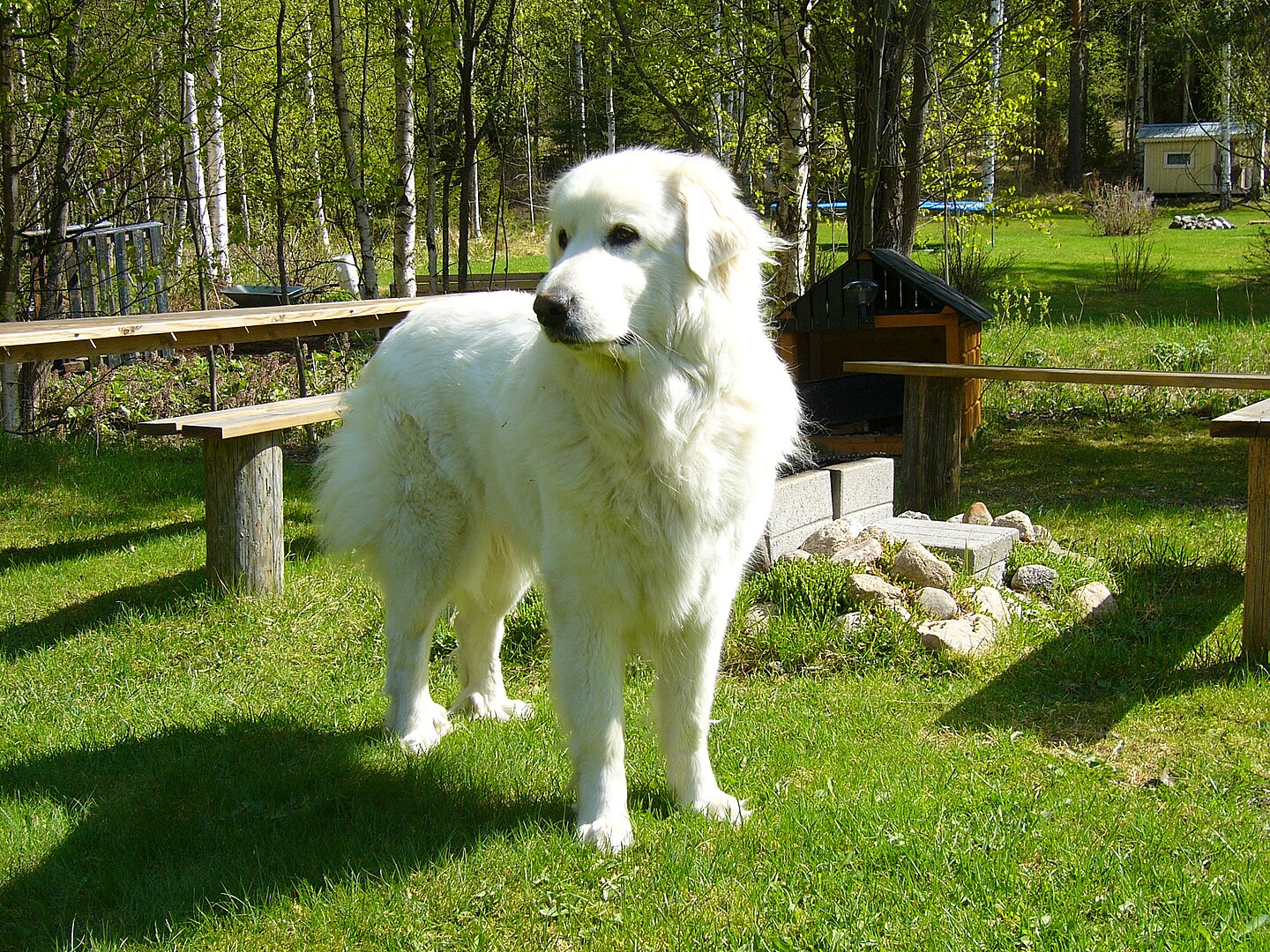
Large mountain guardian bred to protect livestock with patience and independence.
| Size | Weight | Height | Lifespan |
|---|---|---|---|
| Giant | Over 85 lbs | 25 - 32 inches | 10 - 12 years |
| (These are estimates and may vary.) | |||
Origin: France
Own a Great Pyrenees? Share what activities they enjoy to help other dog owners.
Select up to 5 Activities
Know a Great Pyrenees? Share their personality traits to help other dog owners.
Select up to 5 traits
May be a good fit if you:
- Want a dog that is generally responsive to consistent, positive training.
- Are looking for a breed that generally does well with children.
- Are a first-time dog owner looking for a relatively approachable breed.
Things to consider:
- This breed may not do well when left alone for long periods.
- Regular shedding means you may need to be comfortable with loose hair around the home.
The Great Pyrenees developed as a livestock guardian in the Pyrenees Mountains between what are now France and Spain. For centuries, shepherds needed large dogs capable of living among flocks and protecting them from predators such as wolves and bears. Unlike herding breeds that actively move sheep, livestock guardians were expected to remain with the animals, watch their surroundings, and make independent decisions when threats appeared. A thick weather-resistant coat protected the dogs in harsh mountain conditions, while their mostly white colouring helped shepherds distinguish them from predators around the flock. In France, the breed became known as the Chien de Montagne des Pyrénées and eventually attracted attention beyond rural shepherding. During the 17th century, these impressive mountain dogs became fashionable among French nobility and were associated with royal estates. Their traditional working role nevertheless continued in the mountains. Great Pyrenees were later exported to other countries, including North America, where they became useful livestock guardians on farms and ranches. Modern dogs retain many behaviours shaped by that work, including nighttime alertness, territorial barking, patience around animals, and a strong independent streak. Those traits allowed a guardian to function far from direct human instruction while protecting a vulnerable flock.