Hovawart
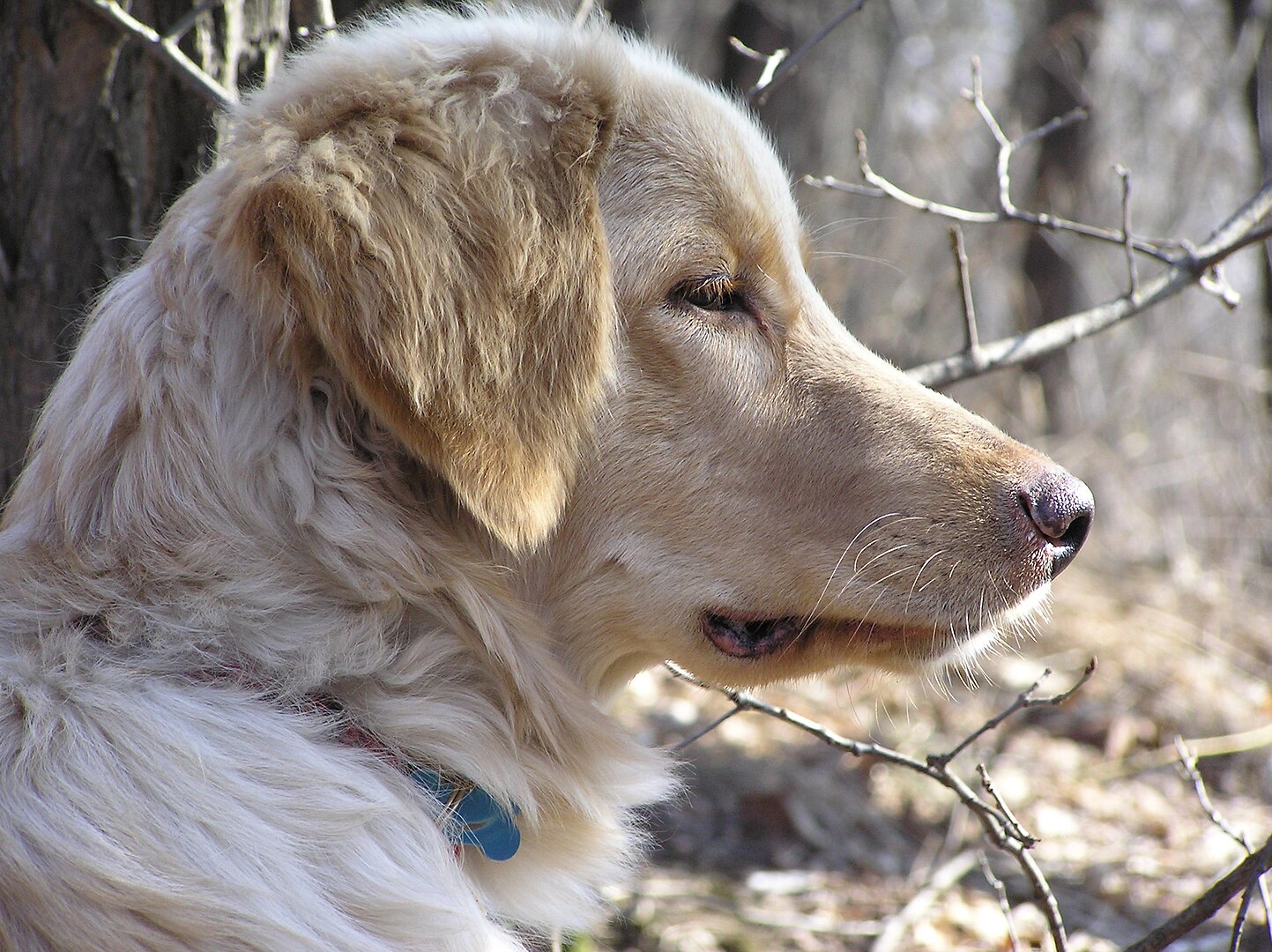
Versatile German working dog revived as a capable guardian, tracker, and companion.
| Size | Weight | Height | Lifespan |
|---|---|---|---|
| Giant | 65 - 90 lbs | 23 - 28 inches | 10 - 14 years |
| (These are estimates and may vary.) | |||
Origin: Germany
Own a Hovawart? Share what activities they enjoy to help other dog owners.
Select up to 5 Activities
Know a Hovawart? Share their personality traits to help other dog owners.
Select up to 5 traits
May be a good fit if you:
- Want a dog that is generally responsive to consistent, positive training.
- Are looking for a breed that generally does well with children.
- Want a dog that generally gets along well with other dogs.
Things to consider:
- This breed may not do well when left alone for long periods.
- This breed may be less suited to smaller living spaces.
The Hovawart is a German working breed whose name comes from Middle High German words roughly referring to a farm or estate guardian. Medieval German texts mention dogs called Hovawarts, but the modern breed is not simply an unchanged medieval bloodline. Instead, it was deliberately reconstructed during the early 20th century. Zoologist and breeder Kurt Friedrich König and other enthusiasts searched rural Germany for dogs resembling the old guardian type described in historical sources. They then used selected farm dogs along with established breeds during a program intended to create an intelligent, physically capable guardian with a stable working temperament. Breeds associated with the reconstruction include the German Shepherd Dog, Newfoundland, Leonberger, and other dogs, although accounts of the exact breeding program vary. The developing Hovawart gained recognition in Germany during the 1930s, but the Second World War severely reduced its population. Breeders rebuilt it afterward while placing strong emphasis on health and working ability. Hovawarts have since been used in search and rescue, tracking, service work, guarding, and dog sports. The breed occurs in black, black-and-gold, and blond varieties. Its history makes it a particularly interesting example of a modern breed consciously created to revive the function and general character of a much older European farm guardian.