Jack Russell Terrier
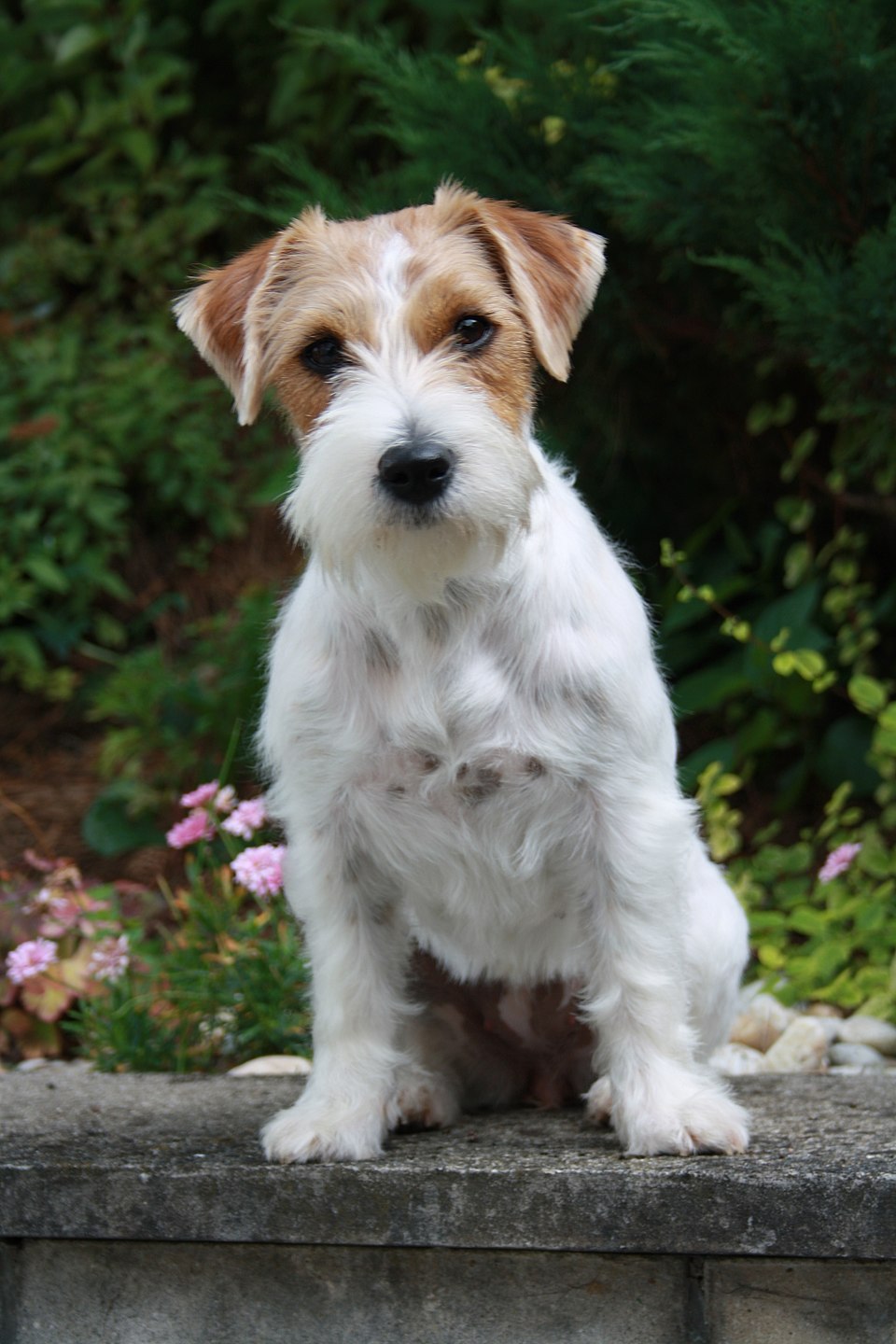
Energetic British terrier developed for fox hunting with remarkable drive and stamina.
| Size | Weight | Height | Lifespan |
|---|---|---|---|
| Small | 9 - 15 lbs | 10 - 12 inches | 12 - 14 years |
| (These are estimates and may vary.) | |||
Origin: United Kingdom
Own a Jack Russell Terrier? Share what activities they enjoy to help other dog owners.
Select up to 5 Activities
Know a Jack Russell Terrier? Share their personality traits to help other dog owners.
Select up to 5 traits
May be a good fit if you:
- Want a dog that generally gets along well with other dogs.
- Are a first-time dog owner looking for a relatively approachable breed.
Things to consider:
- Regular shedding means you may need to be comfortable with loose hair around the home.
- This breed may be less suited to smaller living spaces.
The Jack Russell Terrier traces its development to the Reverend John Russell, an English clergyman and enthusiastic fox hunter born in 1795. Russell wanted terriers capable of accompanying mounted hunts and entering fox dens to bolt the quarry without simply killing it underground. One of his early dogs, a white terrier named Trump, became associated with the foundation of his working strain. Russell selected primarily for hunting ability, stamina, courage, and a body flexible enough for earthwork rather than for a uniform show appearance. After his death, similar working fox terriers continued to be called Jack Russells, producing considerable variation in height and type. This eventually contributed to complicated breed naming. The longer-legged Parson Russell Terrier became standardized by major kennel clubs, while the shorter Jack Russell remained strongly associated with working-terrier registries for many years. The American Kennel Club recognizes the Russell Terrier as a related standardized breed, while other organizations use different classifications. Traditional Jack Russell enthusiasts have often emphasized working ability over conformation showing. That heritage explains the breed's enormous energy, prey drive, digging instinct, and confidence. Despite its small size, the Jack Russell was designed to keep pace with a hunt and confront quarry underground, making it a genuine high-drive working terrier.