Patterdale Terrier
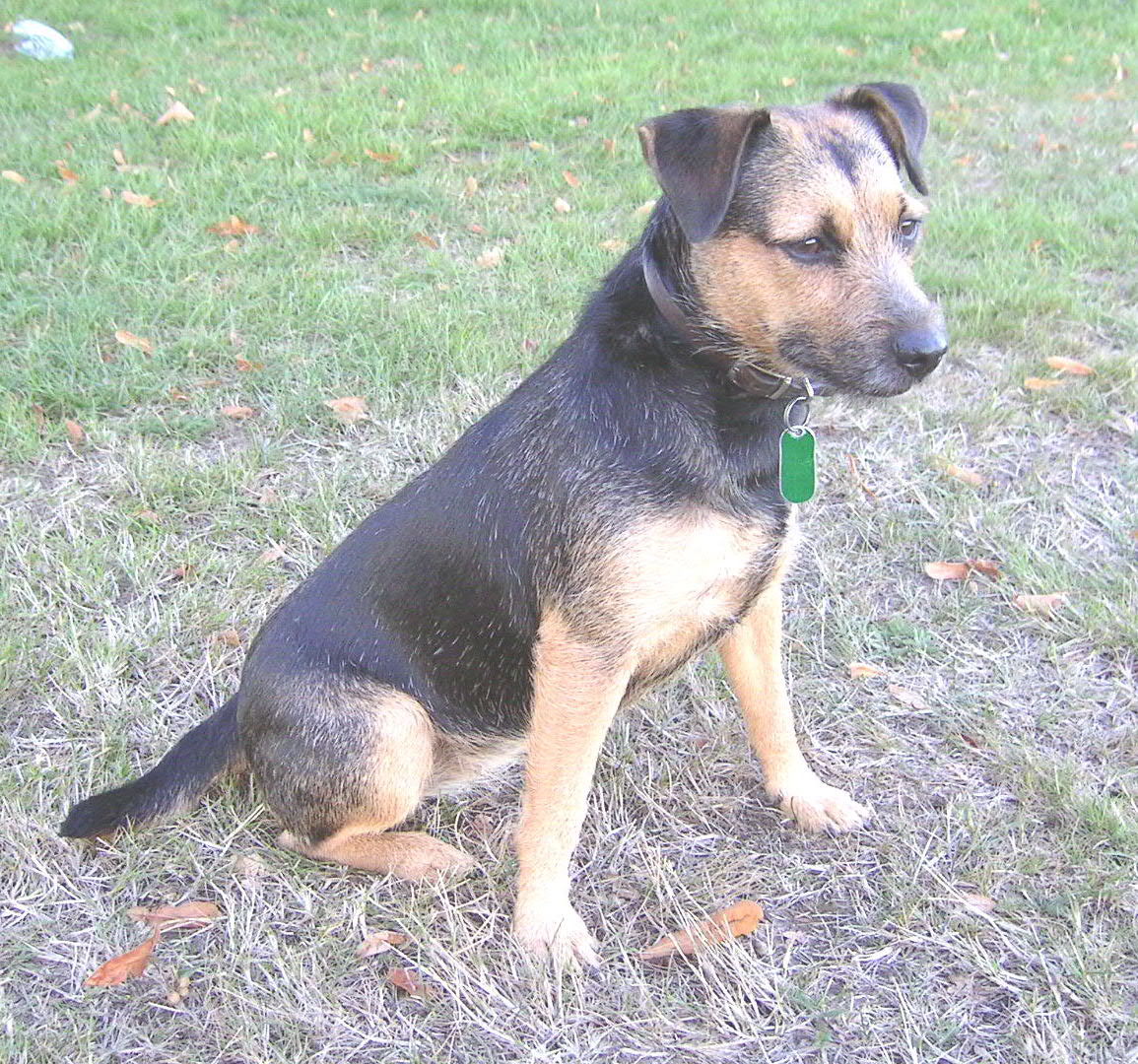
Compact English working terrier developed for pursuing foxes across rugged terrain.
| Size | Weight | Height | Lifespan |
|---|---|---|---|
| Small | 11 - 13 lbs | 12 - 15 inches | 11 - 14 years |
| (These are estimates and may vary.) | |||
Origin: United Kingdom
Own a Patterdale Terrier? Share what activities they enjoy to help other dog owners.
Select up to 5 Activities
Know a Patterdale Terrier? Share their personality traits to help other dog owners.
Select up to 5 traits
May be a good fit if you:
- Are looking for a breed that generally does well with children.
Things to consider:
- This breed may be less suited to smaller living spaces.
- This breed tends to need plenty of regular physical activity.
The Patterdale Terrier developed in the Lake District of northern England as a serious working terrier rather than a show breed. Its name comes from the village of Patterdale in Cumbria, an area of steep fells and rocky ground where farmers and hunts needed compact dogs capable of pursuing foxes into difficult places. Several strains of fell terriers existed in northern England, and the modern Patterdale emerged from this broader working population. Breeder and huntsman Joe Bowman is often associated with important early lines, while Cyril Breay and later Brian Nuttall became influential in the development of dogs recognized as Patterdales today. Breeders emphasized courage, stamina, a strong prey drive, and a chest narrow enough to follow quarry underground. Appearance remained secondary to performance, which is why Patterdales can show more variation than highly standardized show terriers. Black is common, but other colours occur, and coats may be smooth, broken, or rough. The breed was exported to North America, where it found additional work hunting animals including raccoons and ground-dwelling quarry. The United Kennel Club recognizes the Patterdale Terrier, while several larger kennel organizations do not. Its continuing identity remains unusually close to its roots as a practical earth-working terrier.