Mastiff
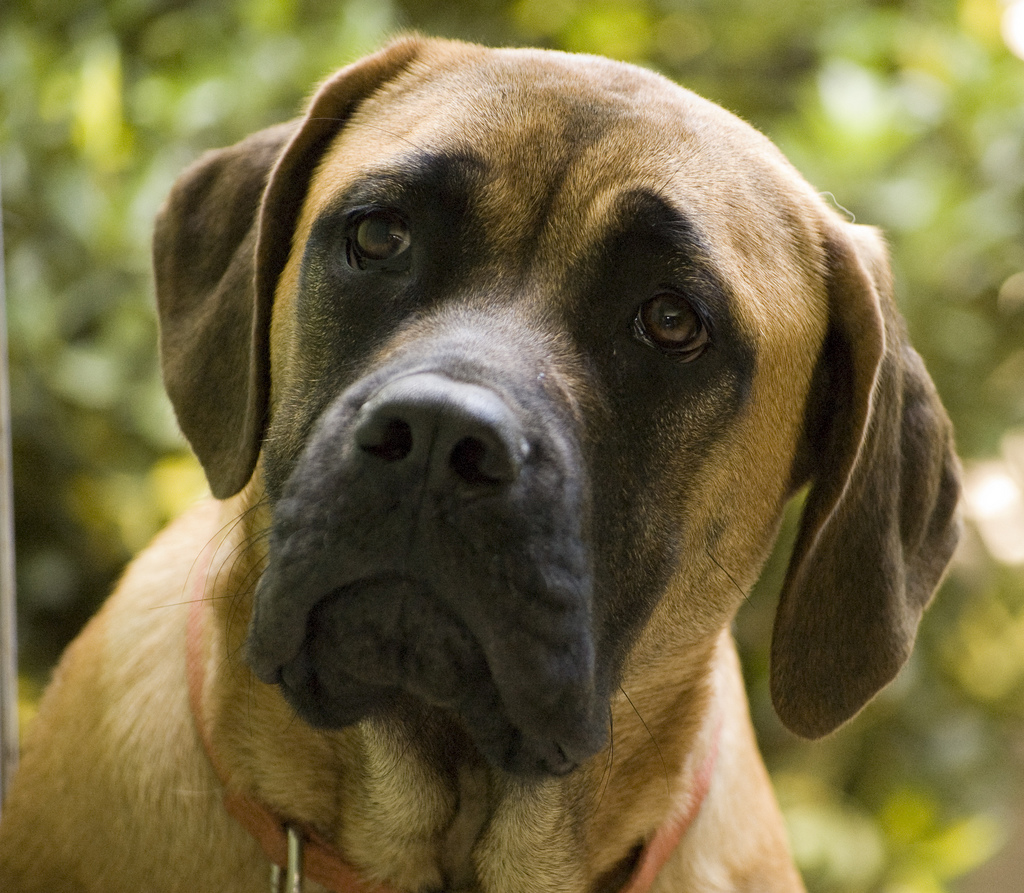
Massive, calm guardian descended from an ancient tradition of powerful dogs.
| Size | Weight | Height | Lifespan |
|---|---|---|---|
| Giant | 120 - 230 lbs | Over 28 inches | 6 - 10 years |
| (These are estimates and may vary.) | |||
Origin: United Kingdom
Own a Mastiff? Share what activities they enjoy to help other dog owners.
Select up to 5 Activities
Know a Mastiff? Share their personality traits to help other dog owners.
Select up to 5 traits
May be a good fit if you:
- Are looking for a breed that generally does well with children.
- Are a first-time dog owner looking for a relatively approachable breed.
The Mastiff, often called the English Mastiff, belongs to an ancient family of massive mastiff-type dogs, although claims that the modern breed has remained unchanged for thousands of years go far beyond what can be documented. Large dogs used for guarding, warfare, hunting, and animal combat were known throughout the ancient world, and powerful mastiff-like dogs have a particularly long history in Britain. During the medieval and early modern periods, English mastiffs served as estate guardians and were also used in blood sports such as bear- and bull-baiting. One famous tradition links Mastiffs with the English estate of Lyme Hall, where a family line was said to have been maintained for centuries. By the 19th century, organized dog shows and pedigrees began shaping the Mastiff into a standardized breed. The two World Wars were disastrous for British Mastiff populations because enormous dogs were difficult to feed during shortages. After the Second World War, the breed in Britain was rebuilt with help from surviving dogs and imported bloodlines, particularly from North America. The modern Mastiff retains extraordinary size and guarding presence, but breeders have long emphasized a calmer companion temperament than its formidable historical roles might suggest.