Old English Sheepdog
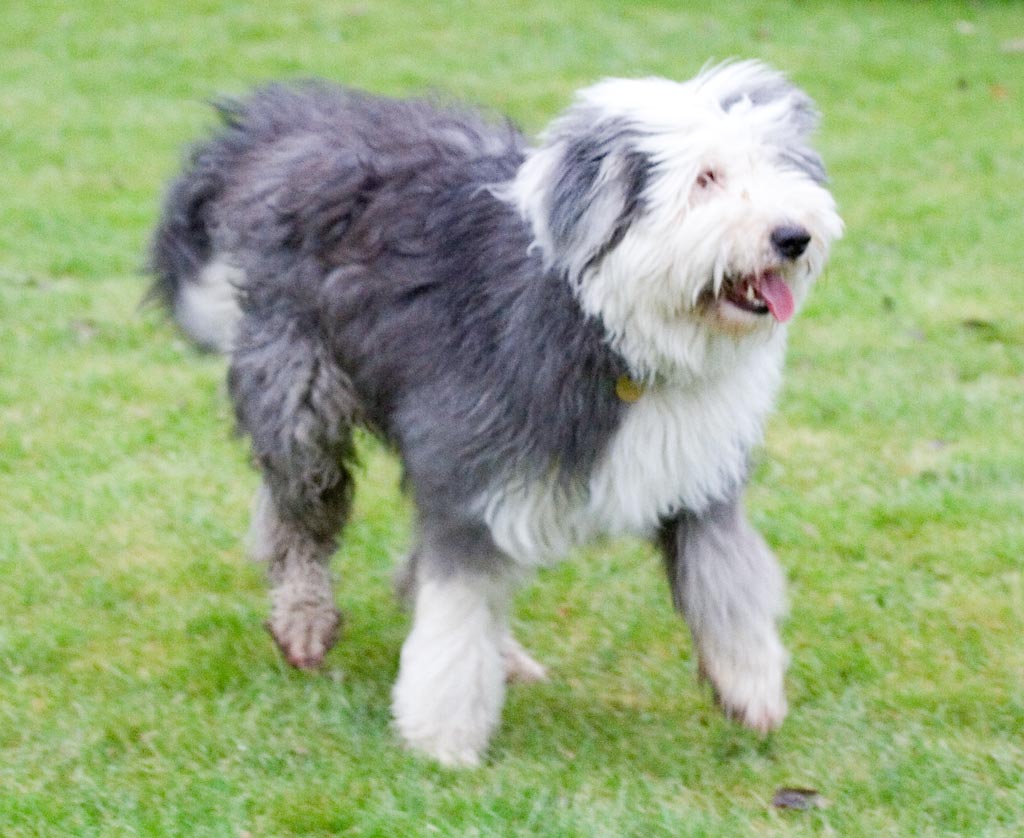
Large, shaggy British herder known for its strength, intelligence, and playful nature.
| Size | Weight | Height | Lifespan |
|---|---|---|---|
| Large | 60 - 75 lbs | Over 21 inches | 10 - 12 years |
| (These are estimates and may vary.) | |||
Origin: United Kingdom
Own a Old English Sheepdog? Share what activities they enjoy to help other dog owners.
Select up to 5 Activities
Know a Old English Sheepdog? Share their personality traits to help other dog owners.
Select up to 5 traits
May be a good fit if you:
- Want a dog that is generally responsive to consistent, positive training.
- Are looking for a breed that generally does well with children.
- Want a dog that generally gets along well with other dogs.
Things to consider:
- This breed may not do well when left alone for long periods.
- Regular shedding means you may need to be comfortable with loose hair around the home.
The Old English Sheepdog developed in Britain during the 19th century, probably from various droving and herding dogs used in southwestern England. Despite its name, the breed is not especially ancient, and its traditional work involved moving livestock as much as tending sheep. Drovers needed strong, weather-resistant dogs capable of helping move cattle and sheep along roads to markets. The breed's exact ancestry is uncertain, with several European herding breeds proposed as contributors, but there is no simple documented recipe. Early dogs could look considerably rougher than the heavily coated show dogs familiar today. The breed began appearing at British dog shows during the 1800s and became increasingly standardized toward the end of the century. Its shaggy coat and distinctive rolling movement eventually made it one of the most recognizable British breeds. Traditionally, working dogs were sometimes docked, leading to the nickname "bobtail," although docking practices have since changed or been prohibited in many countries. As livestock driving declined, the Old English Sheepdog shifted mainly toward companionship and showing, while retaining the sturdy build and intelligence expected of a practical farm dog.