Peruvian Inca Orchid
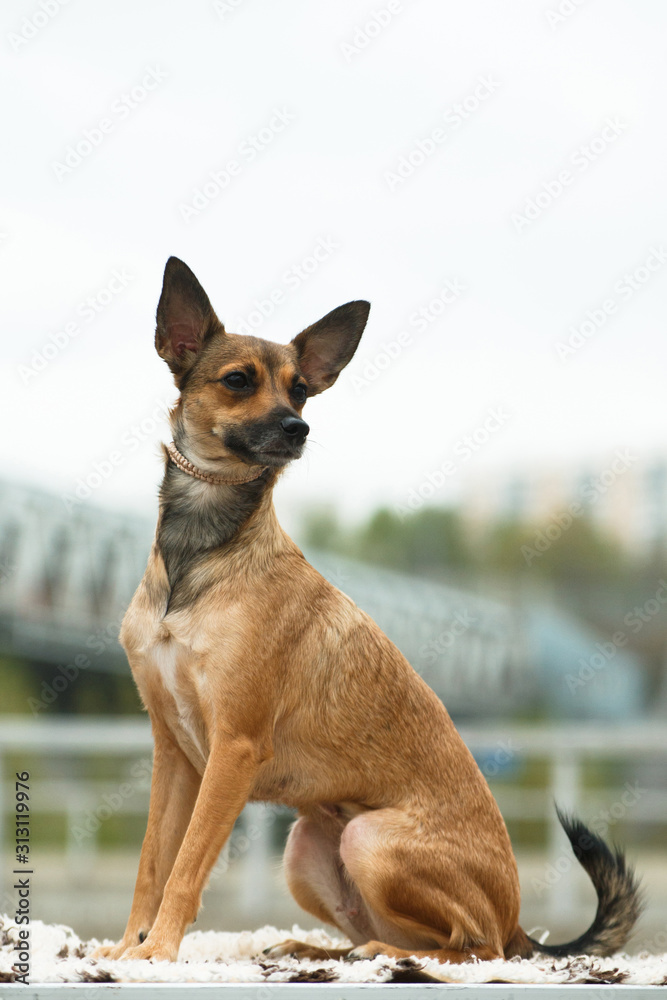
Ancient Peruvian breed best known for its elegant build and unusual hairless variety.
| Size | Weight | Height | Lifespan |
|---|---|---|---|
| Small | 8 - 17 lbs | 10 - 16 inches | 12 - 14 years |
| Medium | 17 - 27 lbs | 16 - 20 inches | 12 - 14 years |
| Large | 27 - 55 lbs | 20 - 26 inches | 12 - 14 years |
| (These are estimates and may vary.) | |||
Origin: Peru
Own a Peruvian Inca Orchid? Share what activities they enjoy to help other dog owners.
Select up to 5 Activities
Know a Peruvian Inca Orchid? Share their personality traits to help other dog owners.
Select up to 5 traits
May be a good fit if you:
- Want a dog that is generally responsive to consistent, positive training.
- Are looking for a breed that generally does well with children.
- Want a dog that generally gets along well with other dogs.
Things to consider:
- This breed may not do well when left alone for long periods.
The Peruvian Inca Orchid, also known as the Peruvian Hairless Dog, is one of several native hairless dog populations with a long history in the Americas. Archaeological ceramics from pre-Inca cultures including the Moche and Chimú depict hairless dogs, demonstrating that dogs of this type lived in Peru many centuries before European colonization. The modern breed therefore has genuine pre-Columbian roots, although it is not possible to trace every modern bloodline directly to a particular ancient dog. Hairless dogs lived in different parts of Peruvian society and acquired cultural and ceremonial associations in addition to serving as companions. The breed exists in both hairless and coated varieties, with hairlessness produced by a dominant genetic trait that is also associated with characteristic dental differences. Peruvian Hairless Dogs come in multiple sizes rather than one uniform body size. Their population survived centuries of social change but remained relatively little known outside Peru until the 20th century. Peru formally recognized the breed as part of its national heritage, and preservation efforts have emphasized its connection with the country's archaeological history. The romantic English name Peruvian Inca Orchid became popular internationally, although Perro sin Pelo del Perú, or Peruvian Hairless Dog, more directly describes the breed in its homeland.