Tibetan Terrier
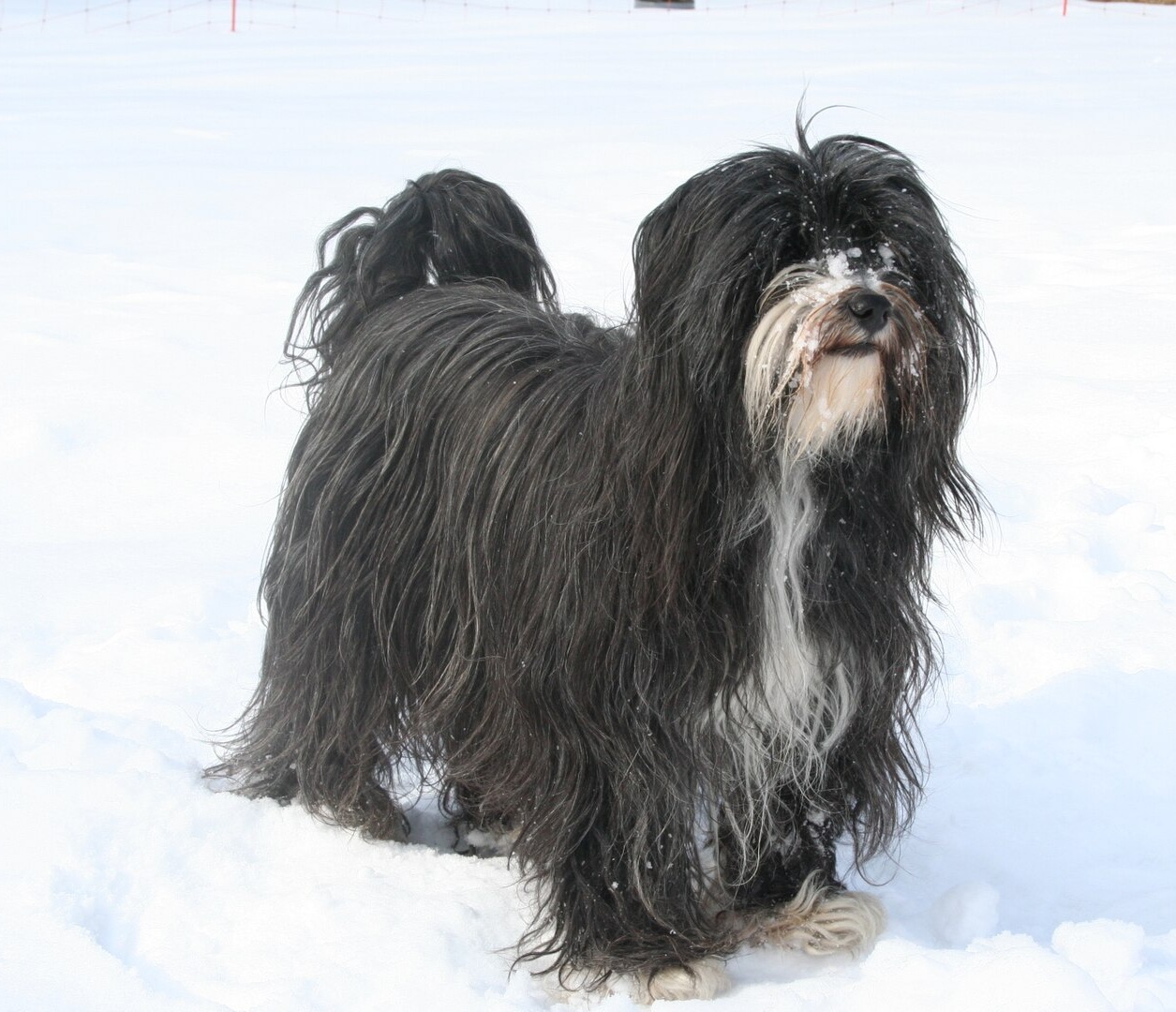
Shaggy Tibetan companion known for its agility, loyalty, and broad snowshoe-like feet.
| Size | Weight | Height | Lifespan |
|---|---|---|---|
| Medium | 18 - 30 lbs | 14 - 17 inches | 15 - 16 years |
| (These are estimates and may vary.) | |||
Origin: China
Own a Tibetan Terrier? Share what activities they enjoy to help other dog owners.
Select up to 5 Activities
Know a Tibetan Terrier? Share their personality traits to help other dog owners.
Select up to 5 traits
May be a good fit if you:
- Are a first-time dog owner looking for a relatively approachable breed.
- Want a breed that tends to adapt well to apartment living.
Things to consider:
- This breed may not do well when left alone for long periods.
- Coat maintenance may require significant regular grooming.
Despite its Western name, the Tibetan Terrier is not actually a terrier. The breed developed in Tibet as a versatile companion and watchdog associated with monasteries, villages, and families living in a difficult mountain environment. Its medium size and remarkable agility allowed it to move confidently over rough terrain, while its broad, flat feet helped provide traction in snow and earned comparisons to natural snowshoes. The dogs were valued highly and were traditionally given as gifts, which contributed to a reputation as good-luck dogs. The breed's introduction to the West is closely associated with British physician Dr. Agnes Greig. While working in India during the 1920s, Greig received a Tibetan dog after treating a patient and became interested in breeding them. Her dogs helped establish the breed outside Tibet, and the Kennel Club in India recognized the type before it became established in Britain. The name Tibetan Terrier was adopted by Western kennel organizations largely because the dogs were roughly terrier-sized, not because they performed traditional terrier work. Their history instead produced an adaptable, sure-footed companion with strong watchdog instincts and a close relationship with people.