American Eskimo Dog
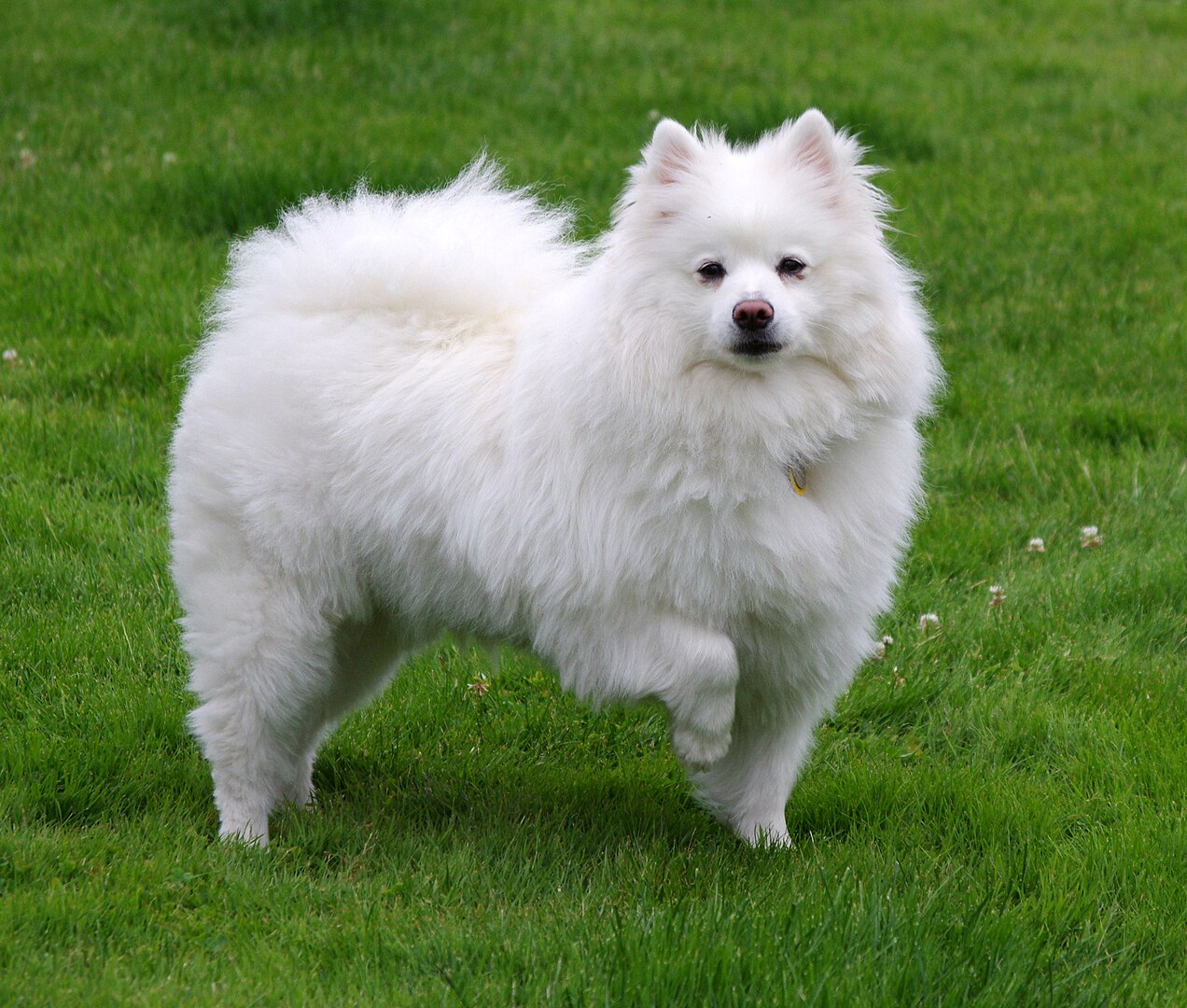
Bright, agile companion descended from German spitz dogs brought to America.
| Size | Weight | Height | Lifespan |
|---|---|---|---|
| Toy | 9 - 12 lbs | 6 - 10 inches | 13 - 15 years |
| Miniature | 10 - 20 lbs | 12 - 15 inches | 13 - 15 years |
| Standard | 25 - 35 lbs | 15 - 19 inches | 13 - 15 years |
| (These are estimates and may vary.) | |||
Origin: United States
Own a American Eskimo Dog? Share what activities they enjoy to help other dog owners.
Select up to 5 Activities
Know a American Eskimo Dog? Share their personality traits to help other dog owners.
Select up to 5 traits
May be a good fit if you:
- Want a dog that is generally responsive to consistent, positive training.
- Are looking for a breed that generally does well with children.
- Want a dog that generally gets along well with other dogs.
Things to consider:
- This breed may not do well when left alone for long periods.
- Regular shedding means you may need to be comfortable with loose hair around the home.
Despite its name, the American Eskimo Dog was developed largely from German spitz-type dogs brought to the United States by European immigrants. During the 19th century, these alert white farm dogs served as watchdogs, companions, and general-purpose workers in immigrant communities, particularly in the Midwest. They were originally commonly known as German Spitz. During the First World War, anti-German sentiment encouraged changes to many German-associated names in the United States, and American Eskimo Dog gradually became established despite the breed having no direct connection to the Inuit peoples. The dogs also found an unusual career in travelling circuses, where their intelligence, agility, white coats, and trainability made them popular performers. One famous circus dog named Stout's Pal Pierre was promoted for walking a tightrope. Organized breed clubs helped preserve the type during the 20th century, and three size varieties eventually became recognized: Toy, Miniature, and Standard. The American Kennel Club accepted the breed in 1995. Its modern reputation for learning tricks quickly is therefore especially fitting for a breed whose history includes both practical farm work and performing before crowds under the big top.