Shiba Inu
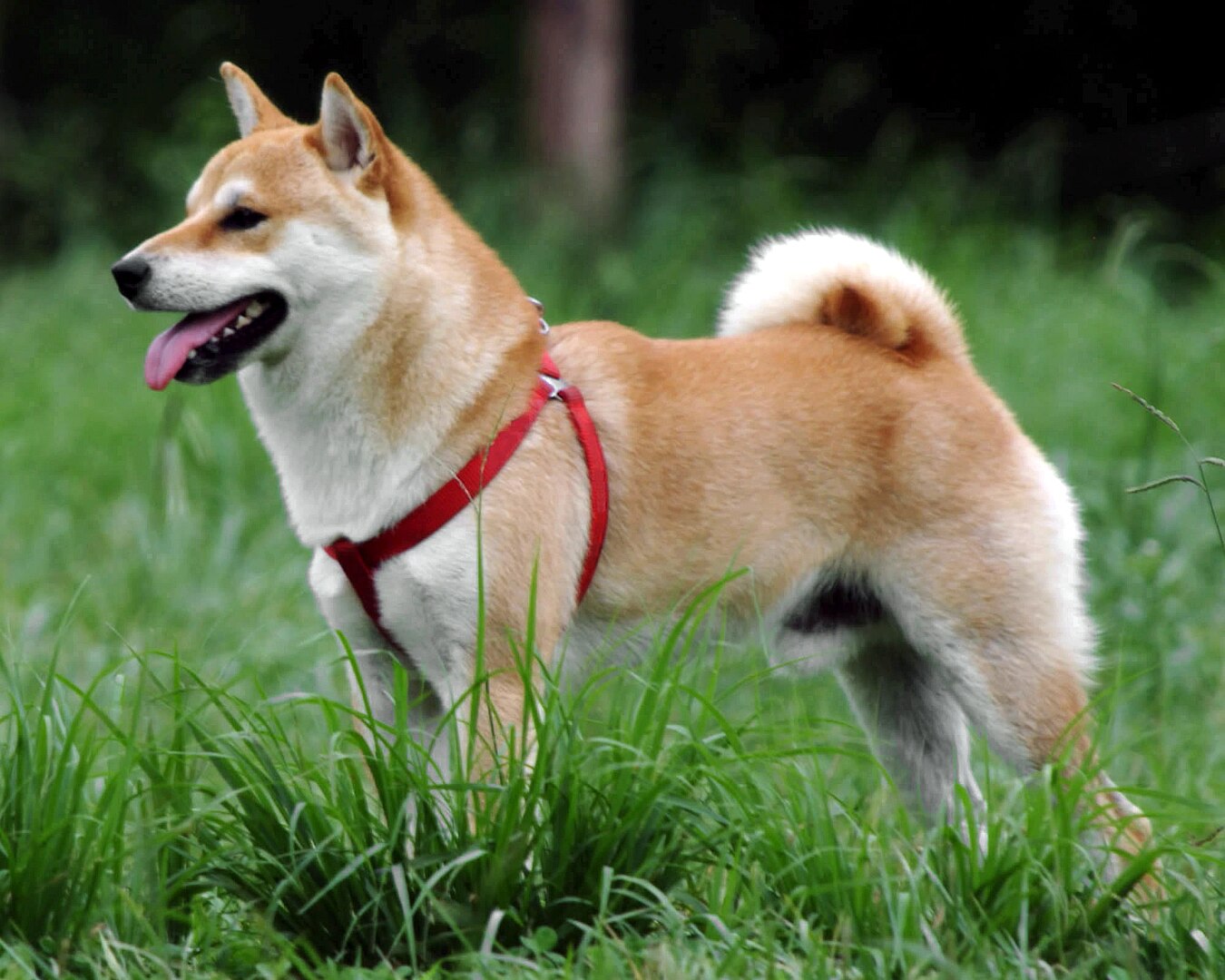
Ancient Japanese hunting breed known for its agility and independent personality.
| Size | Weight | Height | Lifespan |
|---|---|---|---|
| Small | 17 - 23 lbs | 13 - 16 inches | 13 - 16 years |
| (These are estimates and may vary.) | |||
Origin: Japan
Own a Shiba Inu? Share what activities they enjoy to help other dog owners.
Select up to 5 Activities
Know a Shiba Inu? Share their personality traits to help other dog owners.
Select up to 5 traits
May be a good fit if you:
- Want a breed that tends to adapt well to apartment living.
Things to consider:
- Regular shedding means you may need to be comfortable with loose hair around the home.
The Shiba Inu is one of Japan's native spitz-type breeds and was traditionally used to hunt small game and birds in mountainous terrain. Its compact size, agility, and sure-footed movement were well suited to dense vegetation and steep country. The origin of the name "Shiba" is debated; it may refer to brushwood, the reddish colour of autumn brush, or an older word meaning small. For much of its history, regional Japanese hunting dogs were bred for practical ability rather than to a single national standard. During the late 19th and early 20th centuries, imported Western breeds increasingly mixed with native dogs, threatening traditional Japanese types. A preservation movement emerged, and the organization Nihon Ken Hozonkai, commonly known as NIPPO, was founded in 1928 to protect native breeds. The Shiba Inu was designated a Japanese Natural Monument in 1936. The Second World War nearly devastated the breed through bombing, food shortages, and disease. Surviving dogs from several regional bloodlines were brought together after the war to rebuild the population. Modern Shibas descend largely from those survivors, making today's popular companion the product of a deliberate effort to preserve an old Japanese hunting dog.