Pomeranian
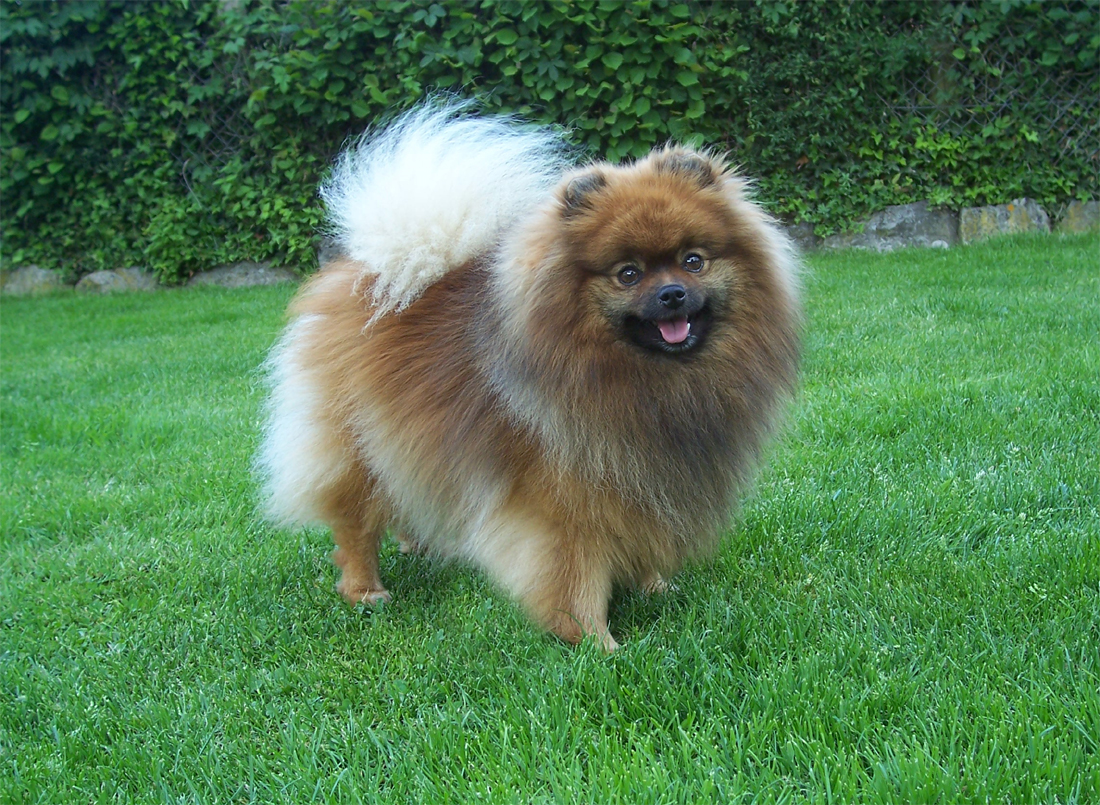
Tiny, confident spitz with a thick coat, lively personality, and larger ancestors.
| Size | Weight | Height | Lifespan |
|---|---|---|---|
| Toy | 3 - 7 lbs | 6 - 7 inches | 12 - 16 years |
| (These are estimates and may vary.) | |||
Origin: Germany
Own a Pomeranian? Share what activities they enjoy to help other dog owners.
Select up to 5 Activities
Know a Pomeranian? Share their personality traits to help other dog owners.
Select up to 5 traits
May be a good fit if you:
- Want a dog that is generally responsive to consistent, positive training.
- Are a first-time dog owner looking for a relatively approachable breed.
- Want a breed that tends to adapt well to apartment living.
Things to consider:
- This breed may not do well when left alone for long periods.
The tiny modern Pomeranian descends from much larger spitz-type dogs of northern Europe. Its name comes from Pomerania, a historical region along the Baltic coast that is now divided between Germany and Poland. Dogs associated with the area belonged to the broader German Spitz family and were considerably larger than today's Pomeranian, with some weighing several times as much. These sturdy spitz dogs contributed the thick double coat, pointed ears, curled tail, and alert personality still seen in the breed. Pomeranians became fashionable companions among European nobility, and Britain played a major role in transforming them into the toy-sized dogs familiar today. Queen Victoria became especially influential after encountering smaller Pomeranians during a trip to Italy in 1888. She became an enthusiastic breeder and exhibitor, and public interest in increasingly small examples grew rapidly during her lifetime. Selective breeding dramatically reduced the breed's average size while retaining its abundant coat and spitz appearance. By the early 20th century, the modern toy Pomeranian was well established. Its bold behaviour can seem surprising for such a tiny dog, but it makes more sense when its substantially larger ancestors are remembered.