Maltese
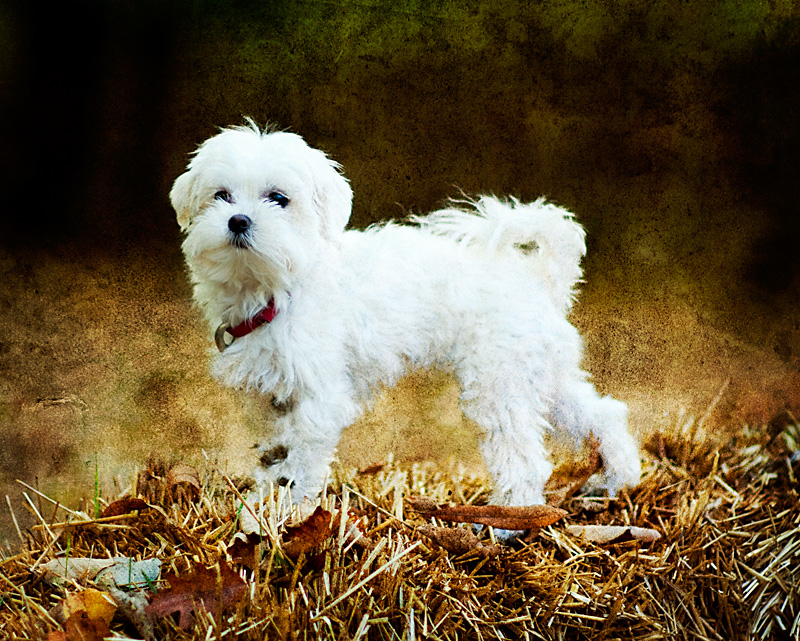
Small Mediterranean companion prized for centuries for its silky white coat.
| Size | Weight | Height | Lifespan |
|---|---|---|---|
| Toy | Under 7 lbs | 7 - 9 inches | 12 - 15 years |
| (These are estimates and may vary.) | |||
Origin: Malta
Own a Maltese? Share what activities they enjoy to help other dog owners.
Select up to 5 Activities
Know a Maltese? Share their personality traits to help other dog owners.
Select up to 5 traits
May be a good fit if you:
- Are looking for a breed that generally does well with children.
- Want a dog that generally gets along well with other dogs.
- Are a first-time dog owner looking for a relatively approachable breed.
Things to consider:
- This breed may not do well when left alone for long periods.
The Maltese belongs to an ancient family of small Mediterranean companion dogs and has been associated with the island of Malta for many centuries. References to tiny lapdogs connected with Malta appear in classical Greek and Roman writing, and small white companion dogs also appear in ancient artwork. However, the exact relationship between these ancient dogs and the modern Maltese cannot be traced as an uninterrupted pedigree. What is clear is that small Maltese-type dogs were prized as companions rather than workers at a remarkably early date. Their portable size made them well suited to the busy Mediterranean world, where merchants and travellers moved between ports and islands. Centuries later, Maltese became fashionable among European aristocrats and frequently appeared in portraits alongside wealthy women. British dog shows during the 19th century helped standardize the modern breed and its long, straight white coat. Early examples were sometimes shown under names such as Maltese Terrier despite having no true terrier background. The breed eventually spread widely through Europe and North America. Unlike many modern breeds whose original working jobs disappeared, the Maltese has remained remarkably consistent in purpose: for centuries, its principal role has been companionship.