Yorkshire Terrier
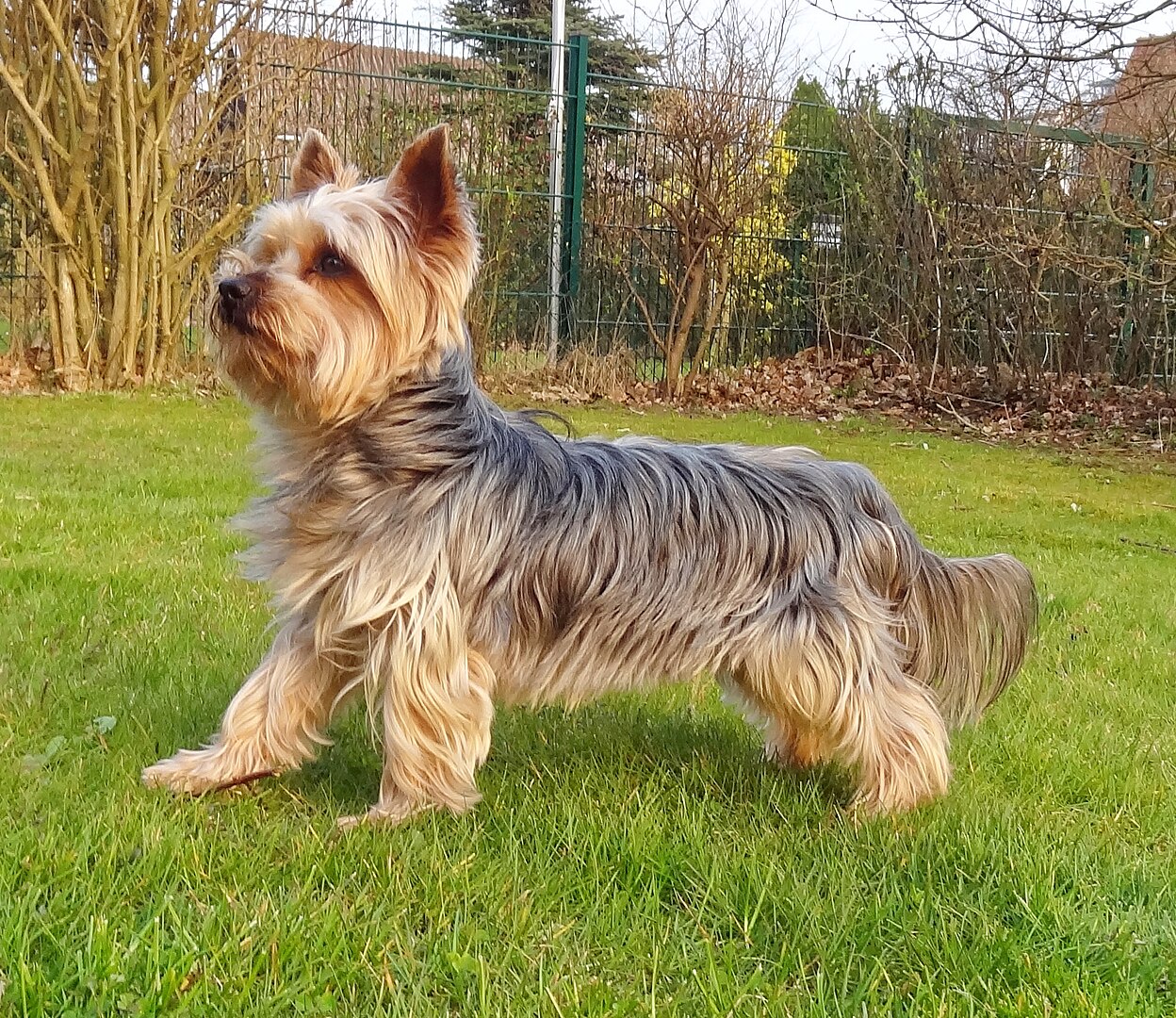
Bold little companion with a silky coat and classic terrier confidence.
| Size | Weight | Height | Lifespan |
|---|---|---|---|
| Toy | Under 7 lbs | 7 - 8 inches | 11 - 15 years |
| (These are estimates and may vary.) | |||
Origin: United Kingdom
Own a Yorkshire Terrier? Share what activities they enjoy to help other dog owners.
Select up to 5 Activities
Know a Yorkshire Terrier? Share their personality traits to help other dog owners.
Select up to 5 traits
May be a good fit if you:
- Are a first-time dog owner looking for a relatively approachable breed.
- Want a breed that tends to adapt well to apartment living.
Things to consider:
- This breed may not do well when left alone for long periods.
- Coat maintenance may require significant regular grooming.
The Yorkshire Terrier began far removed from the polished show dogs and lap companions associated with the breed today. During the Industrial Revolution in 19th-century Britain, Scottish workers moved south into Yorkshire and Lancashire to find work in textile mills and mines, bringing small terriers with them. These dogs were crossed with local terrier types and were useful for controlling rats and other vermin in mills, workplaces, and crowded homes. Several now-extinct or poorly documented terrier varieties contributed to the emerging breed, making its exact ancestry difficult to reconstruct. Early dogs were considerably more variable in size and appearance than modern Yorkies. One particularly influential dog was Huddersfield Ben, born in 1865, who became a successful show dog and breeding sire and is often described as an important foundation of the modern Yorkshire Terrier. As dog showing became increasingly fashionable, breeders emphasized the breed's small size and long, silky blue-and-tan coat. By the late 19th century, the rough little working ratter of northern England was becoming a fashionable companion, though the modern Yorkie still retains plenty of terrier boldness.