Havanese
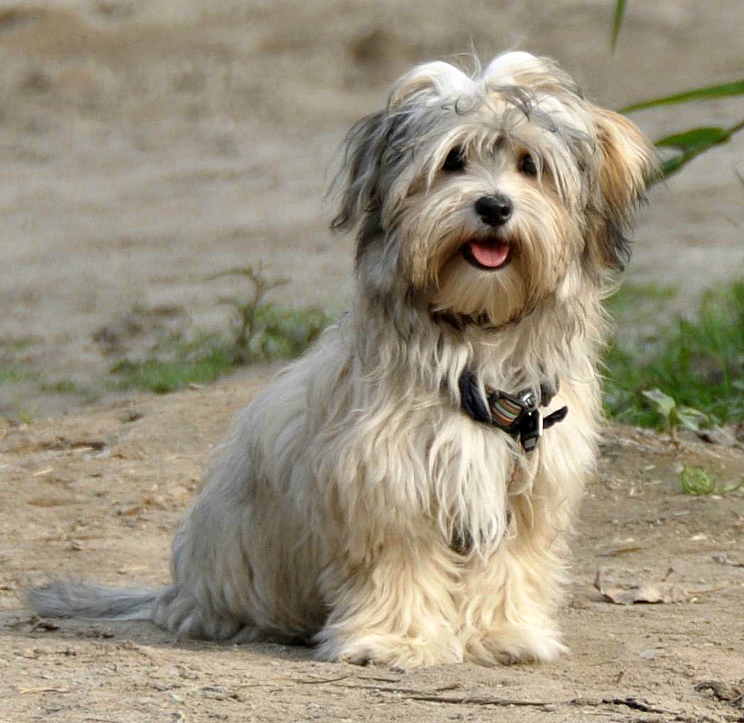
Cheerful Cuban companion known for its silky coat and people-loving nature.
| Size | Weight | Height | Lifespan |
|---|---|---|---|
| Toy | 7 - 13 lbs | 8 - 11 inches | 14 - 16 years |
| (These are estimates and may vary.) | |||
Origin: Cuba
Own a Havanese? Share what activities they enjoy to help other dog owners.
Select up to 5 Activities
Know a Havanese? Share their personality traits to help other dog owners.
Select up to 5 traits
May be a good fit if you:
- Want a dog that is generally responsive to consistent, positive training.
- Are looking for a breed that generally does well with children.
- Want a dog that generally gets along well with other dogs.
Things to consider:
- This breed may not do well when left alone for long periods.
The Havanese is the national dog of Cuba and developed from small companion dogs brought to the island from Europe. Its ancestors belonged to the bichon family of small Mediterranean dogs that travelled with merchants and settlers to the Americas. In Cuba, these dogs gradually developed into a distinctive companion breed suited to the island's climate and social life. The Havanese became particularly fashionable among wealthy Cuban families during the 18th and 19th centuries, valued primarily as a household companion rather than a working dog. Political upheaval following the Cuban Revolution dramatically changed the breed's future. Families leaving Cuba in the 1950s and 1960s were able to take only a small number of dogs with them, and the Havanese became extremely rare outside the island. A handful of these dogs in the United States became crucial to rebuilding the breed's population. American breeders worked from this limited foundation while additional dogs eventually broadened breeding programs. The Havanese later recovered from near obscurity and received American Kennel Club recognition in 1996. Its sociable nature still reflects centuries in which its main purpose was simply to live closely with people.