Chinese Crested
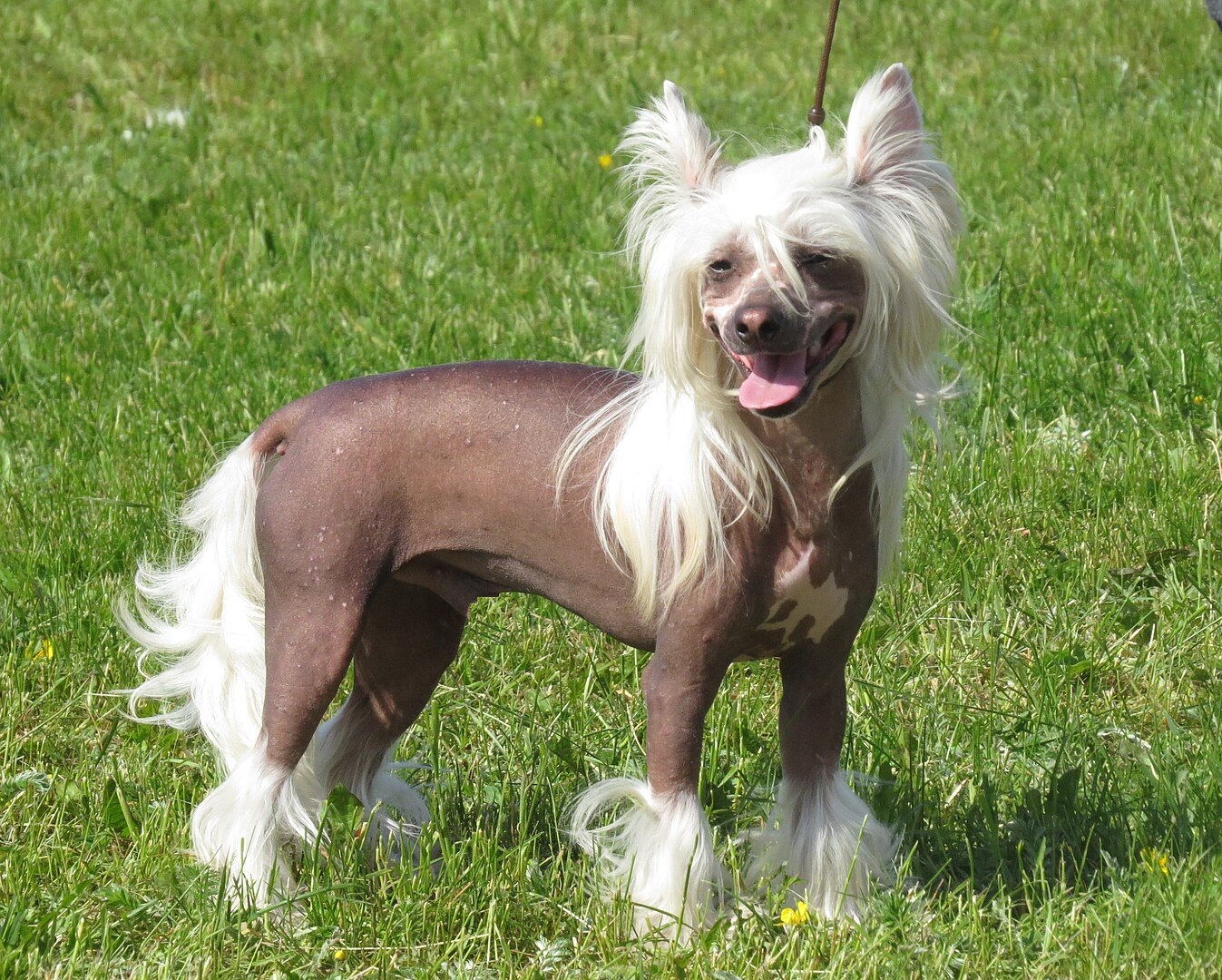
Distinctive companion found in both hairless and fully coated Powderpuff varieties.
| Size | Weight | Height | Lifespan |
|---|---|---|---|
| Toy | 8 - 12 lbs | 11 - 13 inches | 13 - 18 years |
| (These are estimates and may vary.) | |||
Origin: China
Own a Chinese Crested? Share what activities they enjoy to help other dog owners.
Select up to 5 Activities
Know a Chinese Crested? Share their personality traits to help other dog owners.
Select up to 5 traits
May be a good fit if you:
- Want a dog that is generally responsive to consistent, positive training.
- Are looking for a breed that generally does well with children.
- Are a first-time dog owner looking for a relatively approachable breed.
Things to consider:
- This breed may not do well when left alone for long periods.
The exact origin of the Chinese Crested is difficult to document, and despite its name, its earliest ancestry was probably not exclusively Chinese. Hairless dogs appeared in several parts of the world, and dogs related to African hairless types are often proposed as contributors to the breed. Chinese sailors are traditionally credited with keeping small hairless dogs aboard ships, where they could serve as companions and help control rats. Trade routes may have carried these dogs to ports around the world. By the 19th century, dogs identified as Chinese Cresteds were appearing in Western exhibitions and accounts. The breed later gained important supporters in the United States, including entertainer Gypsy Rose Lee, whose dogs influenced American breeding programs. One unusual feature is that both hairless and fully coated dogs can occur in the same breed. The coated form is known as the Powderpuff and carries a long, soft coat, while hairless dogs typically retain hair on the head, feet, and tail. The difference results from the genetics responsible for hairlessness rather than representing two separate breeds. Modern Chinese Cresteds are primarily companions, with an appearance unlike almost any other recognized dog.