Tibetan Spaniel
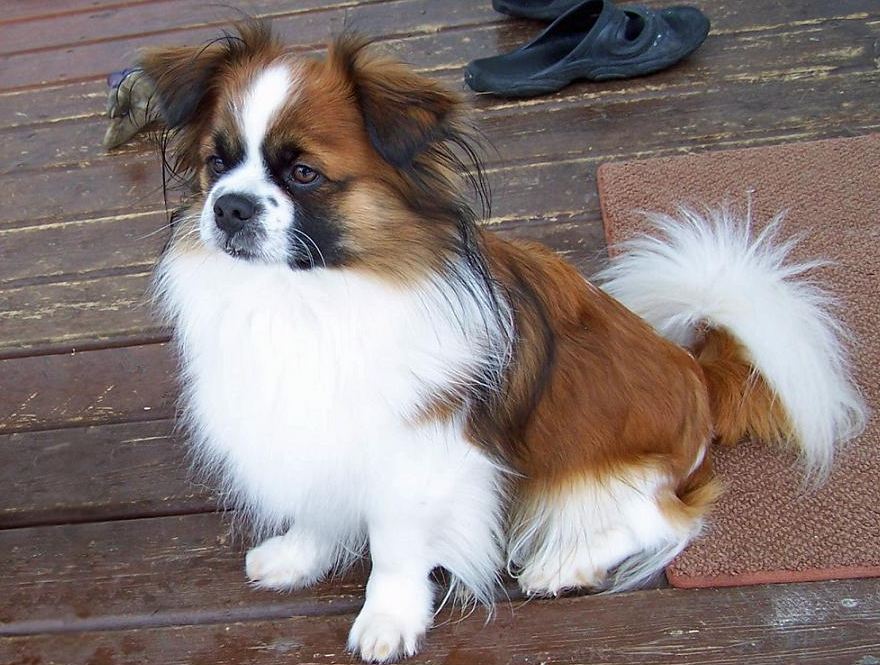
Small Tibetan companion and watchdog with an alert nature and ancient roots.
| Size | Weight | Height | Lifespan |
|---|---|---|---|
| Small | 9 - 15 lbs | 10 - 11 inches | 12 - 15 years |
| (These are estimates and may vary.) | |||
Origin: China
Own a Tibetan Spaniel? Share what activities they enjoy to help other dog owners.
Select up to 5 Activities
Know a Tibetan Spaniel? Share their personality traits to help other dog owners.
Select up to 5 traits
May be a good fit if you:
- Want a dog that is generally responsive to consistent, positive training.
- Are looking for a breed that generally does well with children.
- Want a dog that generally gets along well with other dogs.
Things to consider:
- This breed may not do well when left alone for long periods.
The Tibetan Spaniel developed in Tibet as a small companion and alert dog associated particularly with Buddhist monasteries and households. Despite its Western name, it is not a true hunting spaniel. These dogs often occupied high vantage points on monastery walls, where their sharp eyesight allowed them to notice approaching people or animals and sound an alarm. Larger Tibetan Mastiffs could then respond outside, creating an effective partnership between small indoor sentinels and powerful exterior guardians. Tibetan Spaniels also lived closely with monks and were valued as companions. Their mane-like coat around the neck contributed to a resemblance to small lions, animals with important symbolism in Tibetan Buddhism. Small Tibetan dogs were exchanged as valued gifts, and related companion breeds developed across parts of Asia through centuries of movement and cultural contact. Tibetan Spaniels began reaching Britain in small numbers during the late 19th and early 20th centuries, although establishing a stable Western population took time. Breeding expanded after the Second World War, and the breed eventually spread to North America. Its tendency to climb onto furniture or other high places to observe its surroundings is particularly fitting for a dog whose traditional role included watching the world from elevated monastery walls.