Lhasa Apso
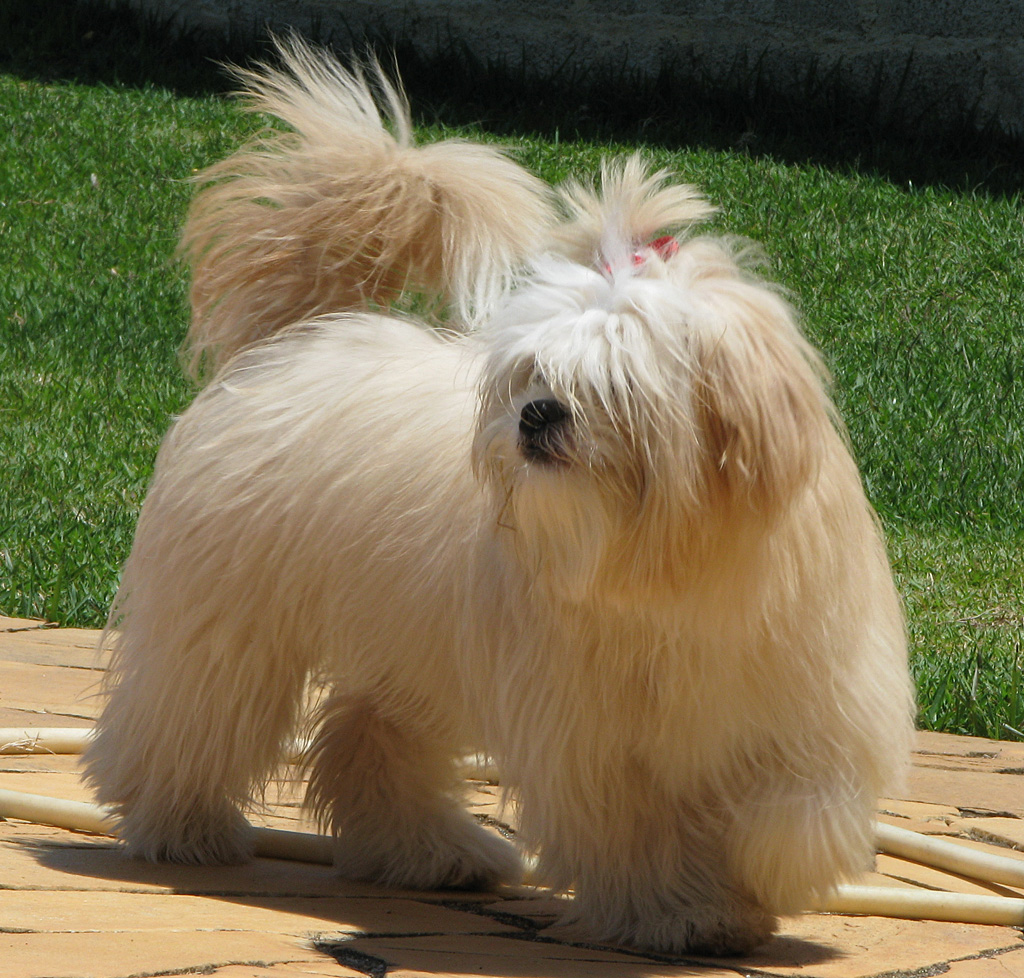
Ancient Tibetan companion and watchdog known for its long coat and alert nature.
| Size | Weight | Height | Lifespan |
|---|---|---|---|
| Small | 12 - 18 lbs | 10 - 11 inches | 12 - 15 years |
| (These are estimates and may vary.) | |||
Origin: China
Own a Lhasa Apso? Share what activities they enjoy to help other dog owners.
Select up to 5 Activities
Know a Lhasa Apso? Share their personality traits to help other dog owners.
Select up to 5 traits
May be a good fit if you:
- Are looking for a breed that generally does well with children.
- Want a dog that generally gets along well with other dogs.
- Are a first-time dog owner looking for a relatively approachable breed.
Things to consider:
- Regular shedding means you may need to be comfortable with loose hair around the home.
- Coat maintenance may require significant regular grooming.
The Lhasa Apso developed in Tibet, where small, heavily coated dogs lived for centuries in monasteries and the homes of Tibetan nobility. Their role was different from that of the enormous Tibetan Mastiffs that guarded outside. Lhasa-type dogs served as alert indoor watchdogs, using their keen hearing and sharp bark to warn people when someone approached. Their long, dense coats were well suited to Tibet's cold climate. The breed's name is associated with Lhasa, Tibet's historic capital, while "apso" has been given several possible interpretations and its precise linguistic origin is debated. These dogs held cultural significance and were sometimes given as valued gifts rather than simply traded as ordinary merchandise. Lhasa Apsos began reaching Britain and other Western countries in meaningful numbers during the early 20th century. Early classifications caused confusion between the Lhasa Apso and other Tibetan breeds, particularly the Tibetan Terrier and Shih Tzu, before separate standards were established. The breed was introduced to the United States during the 1930s with dogs connected to the 13th Dalai Lama. Although now primarily a companion, the Lhasa retains the alertness and self-confidence expected of a dog historically trusted to sound the alarm inside Tibetan homes and monasteries.