Cavalier King Charles Spaniel
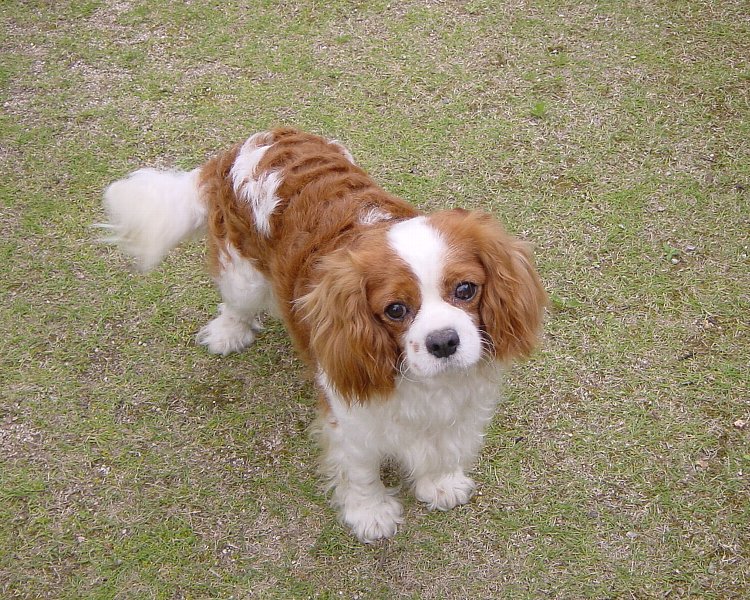
Gentle, affectionate toy spaniel with a friendly and people-focused nature.
| Size | Weight | Height | Lifespan |
|---|---|---|---|
| Small | 13 - 18 lbs | 12 - 13 inches | 12 - 15 years |
| (These are estimates and may vary.) | |||
Origin: United Kingdom
Own a Cavalier King Charles Spaniel? Share what activities they enjoy to help other dog owners.
Select up to 5 Activities
Know a Cavalier King Charles Spaniel? Share their personality traits to help other dog owners.
Select up to 5 traits
May be a good fit if you:
- Are looking for a breed that generally does well with children.
- Want a dog that generally gets along well with other dogs.
- Are a first-time dog owner looking for a relatively approachable breed.
Things to consider:
- This breed may not do well when left alone for long periods.
- Regular shedding means you may need to be comfortable with loose hair around the home.
The Cavalier King Charles Spaniel is both an old idea and a surprisingly modern breed. Small spaniels with long muzzles appear repeatedly in British paintings from the 16th and 17th centuries and became especially associated with King Charles II, who was famously devoted to his dogs. Over later generations, however, British toy spaniels changed. Fashion favoured shorter faces and more domed skulls, and the longer-muzzled type seen in old paintings largely disappeared. In 1926, wealthy American Roswell Eldridge offered prize money at Crufts for breeders who could produce male and female spaniels resembling the dogs depicted during Charles II's era. His challenge encouraged British breeders to revive the older appearance. In 1928, enthusiasts formed a breed club and used a dog named Ann's Son as an important model for the new standard. The revived dogs eventually became the Cavalier King Charles Spaniel, distinguishing them from the shorter-faced King Charles Spaniel. The Kennel Club recognized the Cavalier separately in 1945. Although their ancestors had sporting spaniel roots, Cavaliers were shaped primarily by centuries of life as cherished companion dogs.