Rat Terrier
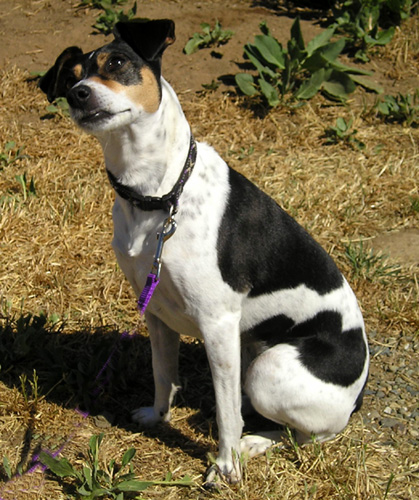
Lively American farm terrier developed for vermin control, hunting, and companionship.
| Size | Weight | Height | Lifespan |
|---|---|---|---|
| Small | 10 - 25 lbs | 10 - 18 inches | 12 - 18 years |
| (These are estimates and may vary.) | |||
Origin: United States
Own a Rat Terrier? Share what activities they enjoy to help other dog owners.
Select up to 5 Activities
Know a Rat Terrier? Share their personality traits to help other dog owners.
Select up to 5 traits
May be a good fit if you:
- Are looking for a breed that generally does well with children.
- Want a dog that generally gets along well with other dogs.
- Are a first-time dog owner looking for a relatively approachable breed.
Things to consider:
- This breed may not do well when left alone for long periods.
- Regular shedding means you may need to be comfortable with loose hair around the home.
The Rat Terrier developed in the United States as an adaptable farm dog during the 19th and early 20th centuries. Its ancestry includes several terrier types brought by European immigrants, particularly British dogs used for controlling rats and other vermin. American farmers bred these terriers with other dogs to suit local needs, and ancestry from breeds such as the Whippet, Beagle, and Italian Greyhound is associated with different developing lines. The resulting dogs were fast, compact, inexpensive to keep, and extremely useful around barns and fields. Rat Terriers killed rodents, hunted rabbits and squirrels, guarded the farm, and served as family companions. Their name reflects their reputation as exceptionally effective ratters. President Theodore Roosevelt owned small terriers of this general type, although the often-repeated claim that he personally named the entire Rat Terrier breed is difficult to document conclusively. The breed declined after widespread use of chemical pesticides reduced the need for farm ratting dogs during the mid-20th century. Dedicated breeders preserved the remaining population, and interest later revived. The United Kennel Club recognized the Rat Terrier in 1999, followed by the American Kennel Club in 2013. Modern Rat Terriers retain the speed, curiosity, prey drive, and versatility that once made them valuable all-purpose American farm dogs.