Samoyed
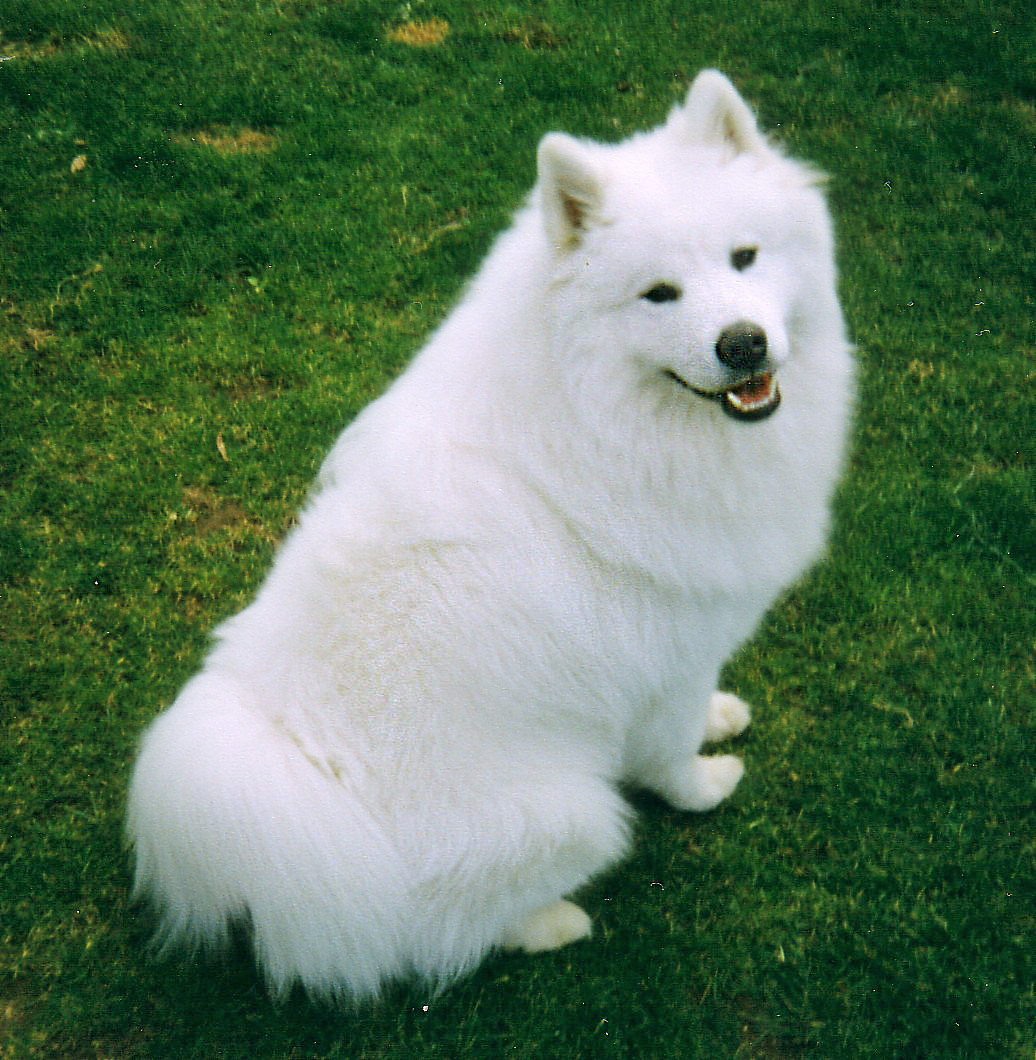
Friendly Arctic working dog known for its white coat, endurance, and famous smile.
| Size | Weight | Height | Lifespan |
|---|---|---|---|
| Large | 35 - 65 lbs | 19 - 24 inches | 12 - 14 years |
| (These are estimates and may vary.) | |||
Origin: Russia
Own a Samoyed? Share what activities they enjoy to help other dog owners.
Select up to 5 Activities
Know a Samoyed? Share their personality traits to help other dog owners.
Select up to 5 traits
May be a good fit if you:
- Want a dog that is generally responsive to consistent, positive training.
- Are looking for a breed that generally does well with children.
- Want a dog that generally gets along well with other dogs.
Things to consider:
- This breed may not do well when left alone for long periods.
- Regular shedding means you may need to be comfortable with loose hair around the home.
The Samoyed developed in northern Eurasia alongside the Samoyedic peoples, particularly groups traditionally associated with reindeer herding in Siberia. Their dogs lived and worked in an exceptionally cold environment, helping herd reindeer, pull sleds, and accompany people during hunting and travel. Close cooperation was essential, and the dogs often lived near or with families, helping explain the breed's strongly social nature. Their thick double coats provided protection from severe cold, while the characteristic upturned corners of the mouth may help reduce drooling that could freeze around the face. European explorers became interested in northern sled dogs during the late 19th and early 20th centuries, and Samoyeds took part in several polar expeditions. Dogs imported to Britain helped establish the modern standardized breed, where white coats became strongly preferred even though dogs in their homeland were not exclusively pure white. The name Samoyed was derived from an older name used for the peoples associated with the dogs, though terminology for these Indigenous groups has changed over time. Today the breed is best known as a striking white companion, but its stamina, coat, vocal nature, and desire for company reflect generations of life and work in Arctic communities.