Siberian Husky
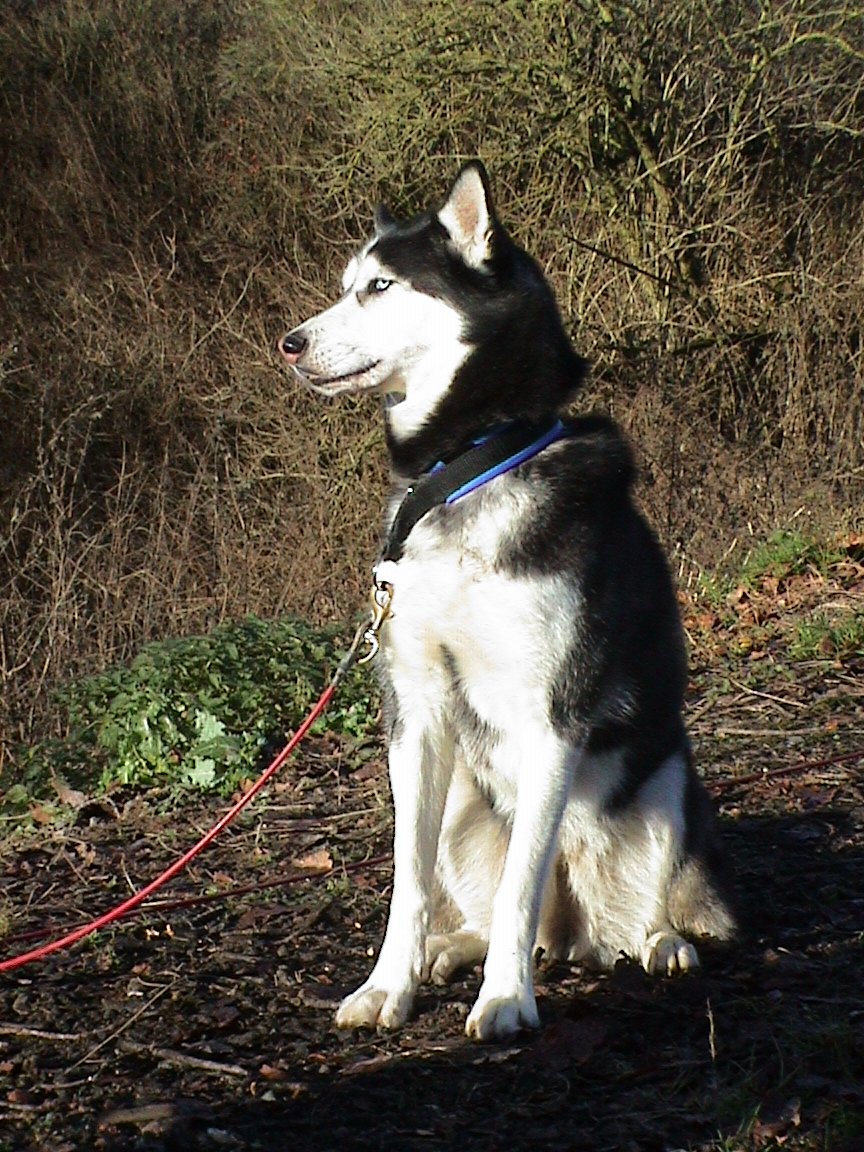
Athletic, social sled dog known for endurance, energy, and an independent streak.
| Size | Weight | Height | Lifespan |
|---|---|---|---|
| Large | 40 - 60 lbs | 20 - 23 inches | 12 - 14 years |
| (These are estimates and may vary.) | |||
Origin: Russia
Own a Siberian Husky? Share what activities they enjoy to help other dog owners.
Select up to 5 Activities
Know a Siberian Husky? Share their personality traits to help other dog owners.
Select up to 5 traits
May be a good fit if you:
- Are looking for a breed that generally does well with children.
- Want a dog that generally gets along well with other dogs.
Things to consider:
- Regular shedding means you may need to be comfortable with loose hair around the home.
- This breed may be less suited to smaller living spaces.
The Siberian Husky developed in northeastern Siberia alongside the Chukchi people, who depended on sled dogs for transportation across a vast and difficult landscape. Their dogs needed to cover long distances while using relatively little food, work cooperatively in teams, and cope with severe Arctic conditions. Rather than being built primarily to haul extremely heavy loads, the ancestors of the Siberian Husky were valued for endurance and efficient travel. The breed reached Alaska in the early 20th century and soon attracted attention in sled-dog racing. Siberian Huskies became especially famous during the 1925 serum run to Nome, when teams of sled dogs relayed lifesaving diphtheria antitoxin across hundreds of miles of Alaska in brutal winter weather. Balto became the best-known dog from the final team, although many dogs and mushers participated and the team led by Leonhard Seppala with his lead dog Togo covered an especially difficult and lengthy portion of the relay. The breed's modern athleticism, sociability, and instinct to run all reflect its long history as a working sled dog.