Tibetan Mastiff
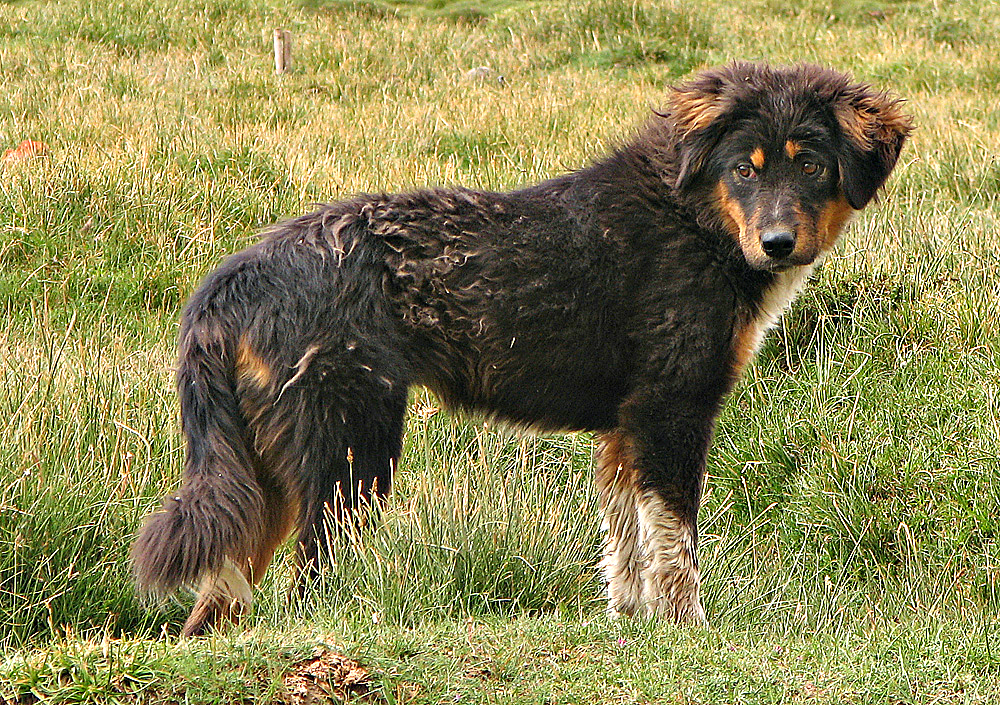
Large Himalayan guardian developed to protect livestock, homes, and settlements.
| Size | Weight | Height | Lifespan |
|---|---|---|---|
| Giant | 70 - 150 lbs | 24 - 28 inches | 10 - 12 years |
| (These are estimates and may vary.) | |||
Origin: China
Own a Tibetan Mastiff? Share what activities they enjoy to help other dog owners.
Select up to 5 Activities
Know a Tibetan Mastiff? Share their personality traits to help other dog owners.
Select up to 5 traits
May be a good fit if you:
- Are a first-time dog owner looking for a relatively approachable breed.
Things to consider:
- This breed may be less suited to smaller living spaces.
The Tibetan Mastiff belongs to an old tradition of large livestock and property guardians from Tibet and the Himalayan region. Dogs of this general type protected nomadic camps, monasteries, villages, and herds from predators and intruders. They often worked with considerable independence, particularly at night, when their deep barking and territorial behaviour warned of approaching danger. Western travellers wrote about imposing Tibetan dogs for centuries, helping create a reputation that sometimes blurred documented history with legend. Modern genetic and historical evidence supports the existence of ancient Asian guardian-dog populations, but claims that the Tibetan Mastiff is the direct unchanged ancestor of every European mastiff are too simplistic. Dogs reached Britain in the 19th century, including one presented to Queen Victoria, but establishing breeding populations outside Asia took much longer. International breeding expanded substantially during the 20th century. More recently, Tibetan Mastiffs became luxury status symbols in China, with individual dogs occasionally attracting extraordinary reported sale prices during a speculative boom. That fashion later declined. Beneath the dramatic mane-like coat, the breed retains characteristics rooted in guardian work: independence, suspicion of unfamiliar activity, strong territorial instincts, and a tendency to become particularly alert after dark.