American Pit Bull Terrier
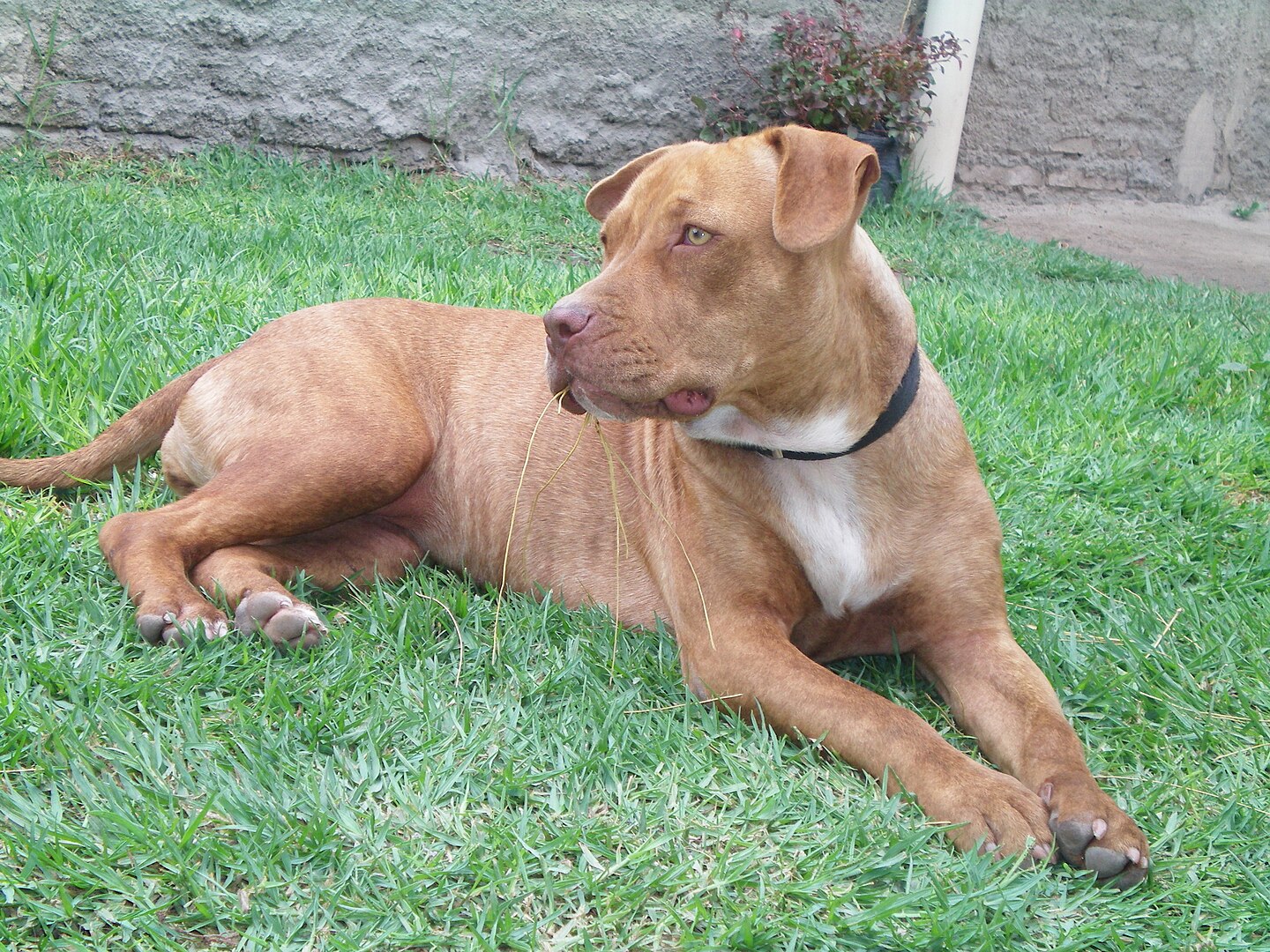
Athletic American terrier known for its strength, confidence, and working versatility.
| Size | Weight | Height | Lifespan |
|---|---|---|---|
| Large | 30 - 85 lbs | 17 - 19 inches | 12 - 16 years |
| (These are estimates and may vary.) | |||
Origin: United States
Own a American Pit Bull Terrier? Share what activities they enjoy to help other dog owners.
Select up to 5 Activities
Know a American Pit Bull Terrier? Share their personality traits to help other dog owners.
Select up to 5 traits
May be a good fit if you:
- Want a dog that is generally responsive to consistent, positive training.
- Are looking for a breed that generally does well with children.
- Are a first-time dog owner looking for a relatively approachable breed.
Things to consider:
- This breed may not do well when left alone for long periods.
- This breed may be less suited to smaller living spaces.
The American Pit Bull Terrier developed in the United States from bull-and-terrier dogs brought from Britain and Ireland during the 19th century. Their ancestors combined bulldog strength with terrier agility and had been used in blood sports, including dog fighting, after bull-baiting was outlawed in Britain. In America, these dogs continued to have a fighting history, but they were also kept for hunting, farm work, property protection, and companionship. Breeders selected different lines for different purposes, producing a versatile and athletic population rather than one narrowly uniform type. The United Kennel Club was founded in 1898 and registered the American Pit Bull Terrier as its first breed. The American Kennel Club chose a different path, recognizing related dogs under the name Staffordshire Terrier in 1936, later renamed American Staffordshire Terrier. This created two increasingly distinct registered populations that still share historical roots. The term "pit bull" is now also used broadly for several similar-looking breeds and mixes, which can create confusion when discussing the specific American Pit Bull Terrier. Its history includes both controversial blood-sport origins and generations of legitimate working and companion roles, making it important not to reduce the breed's development to either side of that history alone.