Italian Greyhound
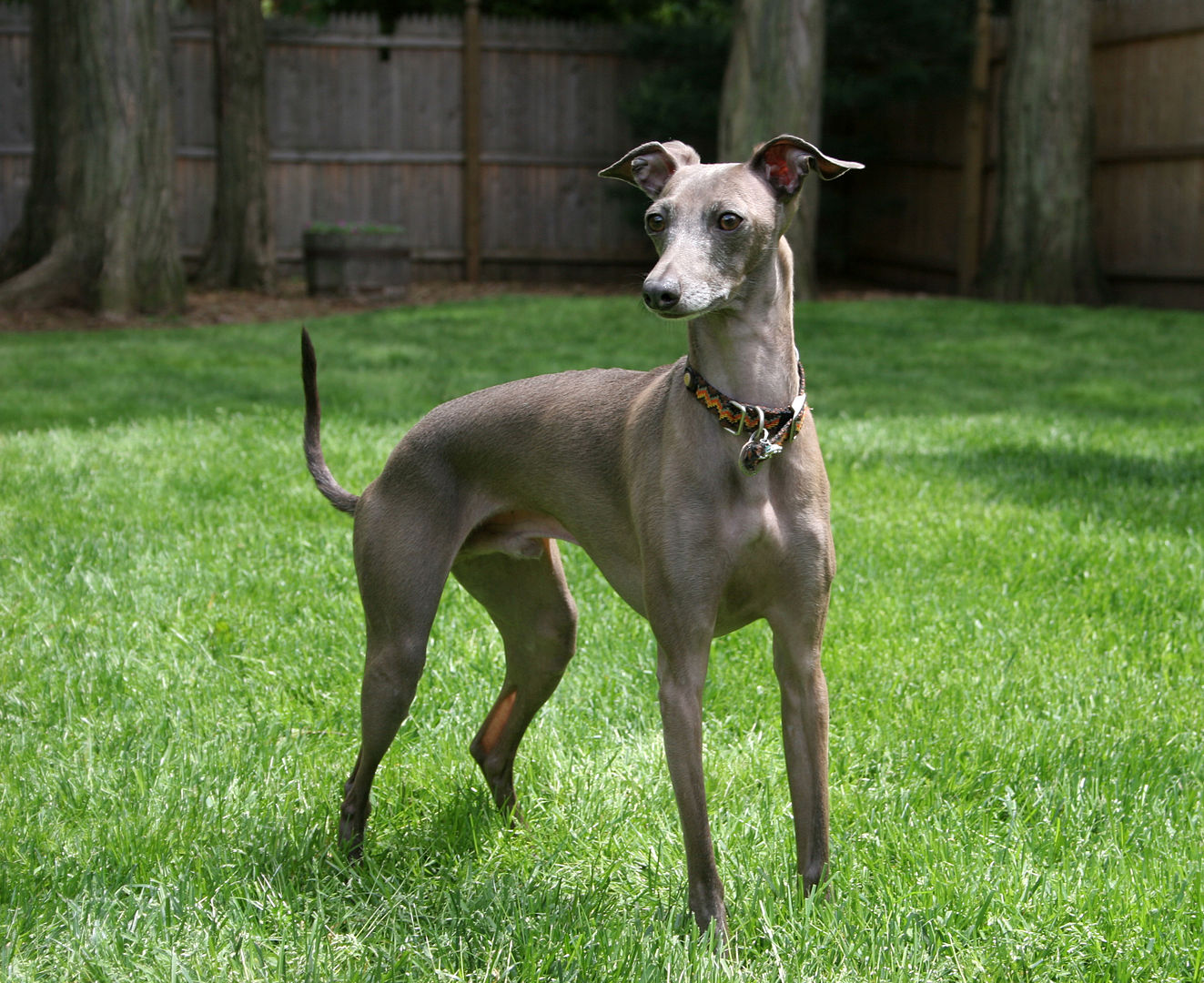
Elegant miniature sighthound known for its speed, sensitivity, and ancient history.
| Size | Weight | Height | Lifespan |
|---|---|---|---|
| Small | 7 - 14 lbs | 13 - 15 inches | 14 - 15 years |
| (These are estimates and may vary.) | |||
Origin: Italy
Own a Italian Greyhound? Share what activities they enjoy to help other dog owners.
Select up to 5 Activities
Know a Italian Greyhound? Share their personality traits to help other dog owners.
Select up to 5 traits
May be a good fit if you:
- Are a first-time dog owner looking for a relatively approachable breed.
Small sighthounds resembling the Italian Greyhound have existed around the Mediterranean for many centuries. Archaeological and artistic evidence shows that miniature, fine-boned hounds were valued in the ancient world, although a direct pedigree from individual ancient dogs to the modern breed cannot be proven. By the Renaissance, tiny sighthounds had become especially fashionable among Italian nobility, and their prominence in Italian art helped give the breed its modern name. They also became favourites in royal courts elsewhere in Europe. Owners included figures such as Frederick the Great of Prussia, whose affection for his small Italian Greyhounds became well known. While companionship was their major historical role, their sighthound construction also gave them genuine speed and the ability to chase small game. Selective breeding eventually produced an exceptionally refined and delicate version of the Greyhound form, complete with long legs, a deep chest, tucked abdomen, and flexible running body. The breed became established in Britain and later North America through organized dog breeding and shows. Modern Italian Greyhounds remain unmistakably sighthounds despite their toy size, combining impressive sprinting ability with a history spent largely as close companions to people.