Scottish Terrier
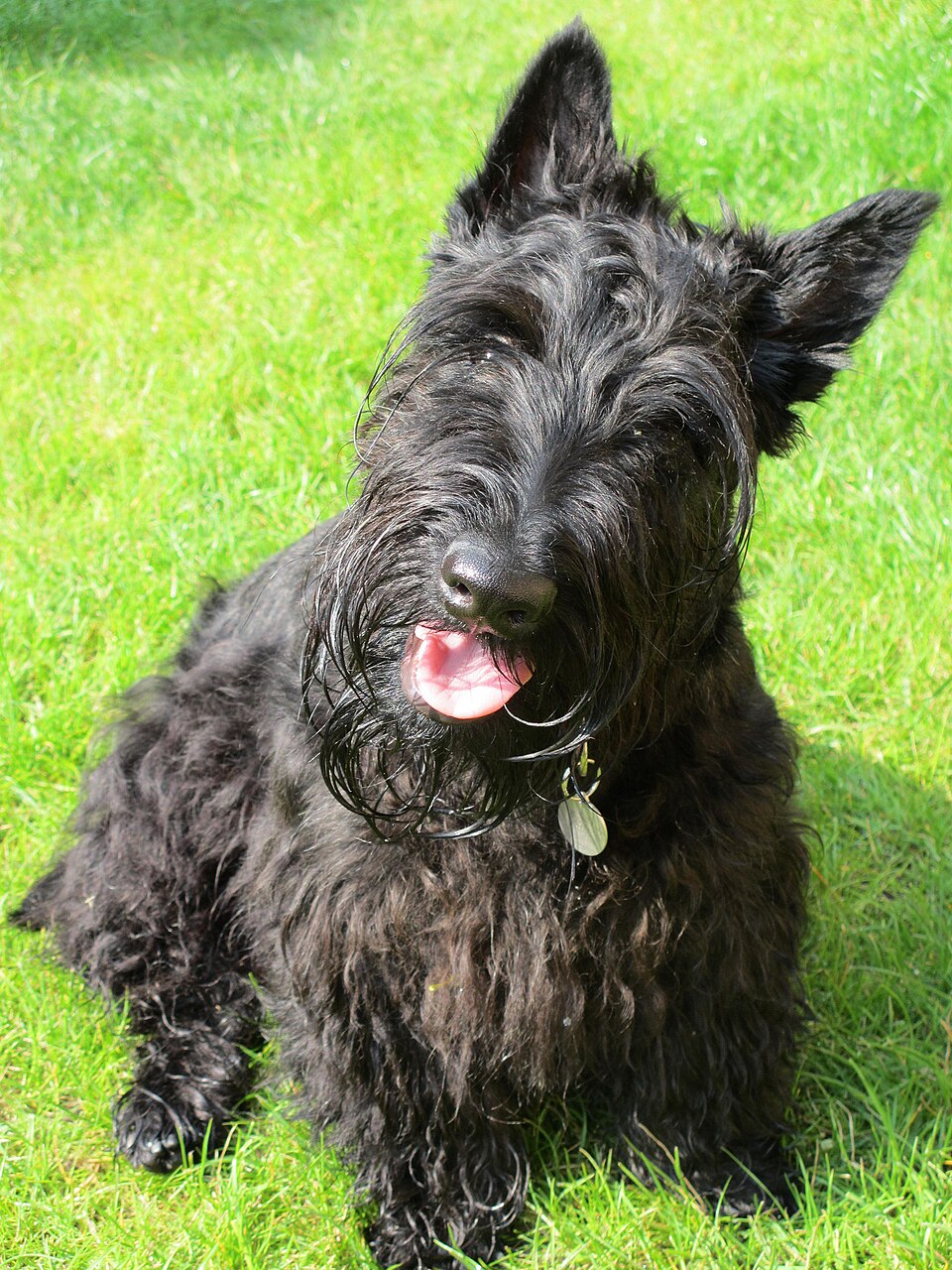
Sturdy Scottish terrier known for its independence, confidence, and distinctive beard.
| Size | Weight | Height | Lifespan |
|---|---|---|---|
| Small | 18 - 22 lbs | 9 - 10 inches | 11 - 13 years |
| (These are estimates and may vary.) | |||
Origin: United Kingdom
Own a Scottish Terrier? Share what activities they enjoy to help other dog owners.
Select up to 5 Activities
Know a Scottish Terrier? Share their personality traits to help other dog owners.
Select up to 5 traits
May be a good fit if you:
- Are looking for a breed that generally does well with children.
- Are a first-time dog owner looking for a relatively approachable breed.
- Want a breed that tends to adapt well to apartment living.
Things to consider:
- This breed may not do well when left alone for long periods.
The Scottish Terrier emerged from the tough, short-legged terriers used for centuries in the Scottish Highlands to pursue foxes, badgers, rats, and other quarry. Early Scottish terriers were working dogs rather than standardized breeds, and several modern breeds developed from this broad population. During the 19th century, dog shows and organized breeding encouraged enthusiasts to separate these terriers into recognizable types. The dog that became the Scottish Terrier was sometimes called the Aberdeen Terrier, reflecting the area where some influential dogs and breeders were found. By the late 1800s, a recognizable standard had emerged, emphasizing the breed's low body, strong head, harsh coat, and characteristic furnishings around the face. Scotties became particularly fashionable during the 20th century and had several famous owners. U.S. President Franklin D. Roosevelt's Scottie, Fala, became so well known that the dog later appeared alongside Roosevelt in his memorial in Washington, D.C. The breed also became one of the playing pieces in classic versions of Monopoly. Beneath that cultural fame is a genuine working-terrier background: the Scottie's independence, determination, digging instinct, and willingness to stand its ground all make sense for a dog developed to confront quarry underground.