Flat-Coated Retriever
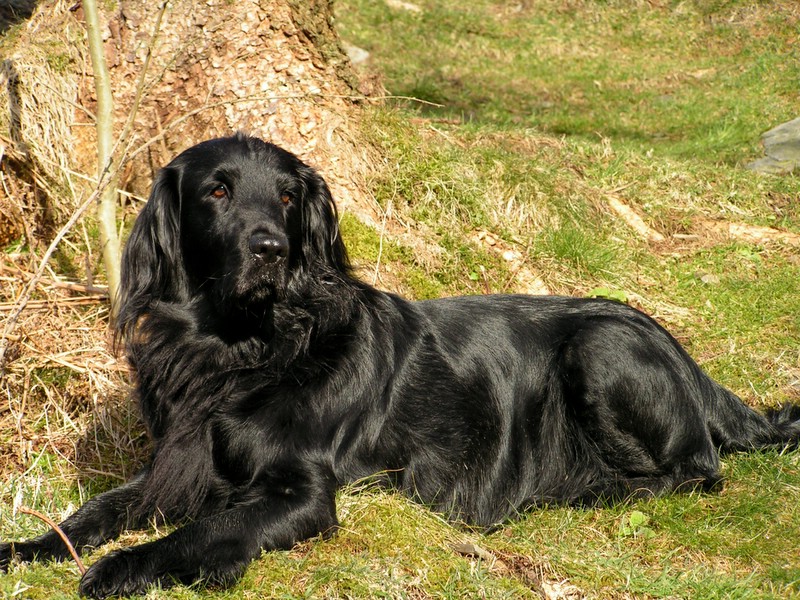
Cheerful British retriever developed to recover game efficiently on land and water.
| Size | Weight | Height | Lifespan |
|---|---|---|---|
| Large | 60 - 70 lbs | 22 - 24 inches | 8 - 10 years |
| (These are estimates and may vary.) | |||
Origin: United Kingdom
Own a Flat-Coated Retriever? Share what activities they enjoy to help other dog owners.
Select up to 5 Activities
Know a Flat-Coated Retriever? Share their personality traits to help other dog owners.
Select up to 5 traits
May be a good fit if you:
- Want a dog that is generally responsive to consistent, positive training.
- Are looking for a breed that generally does well with children.
- Want a dog that generally gets along well with other dogs.
Things to consider:
- This breed may be less suited to smaller living spaces.
- This breed tends to need plenty of regular physical activity.
The Flat-Coated Retriever developed in Britain during the 19th century as hunters sought dependable dogs capable of retrieving shot birds from both land and water. Improvements in firearms created greater demand for specialized retrievers that could mark where game fell, search efficiently, and return it without damaging it. Early retriever breeding drew from several types of water dogs, setters, and retrieving dogs, including dogs imported from Newfoundland. The breed that became the Flat-Coat was gradually refined into an athletic, elegant retriever with a dense, relatively flat coat. One of the most important figures in its development was Sewallis Evelyn Shirley, a prominent British dog breeder and founding chairman of The Kennel Club. Flat-Coats became extremely popular with British sportsmen around the end of the 19th century and were among the leading retriever breeds of their era. Their position changed dramatically as Labrador and Golden Retrievers grew in popularity during the 20th century. The Flat-Coat survived through a smaller group of dedicated breeders rather than disappearing. Modern dogs retain a particularly youthful, enthusiastic personality along with the retrieving instinct and swimming ability developed for field work. Their history also places them close to the development of several other modern retriever breeds.