Labradoodle
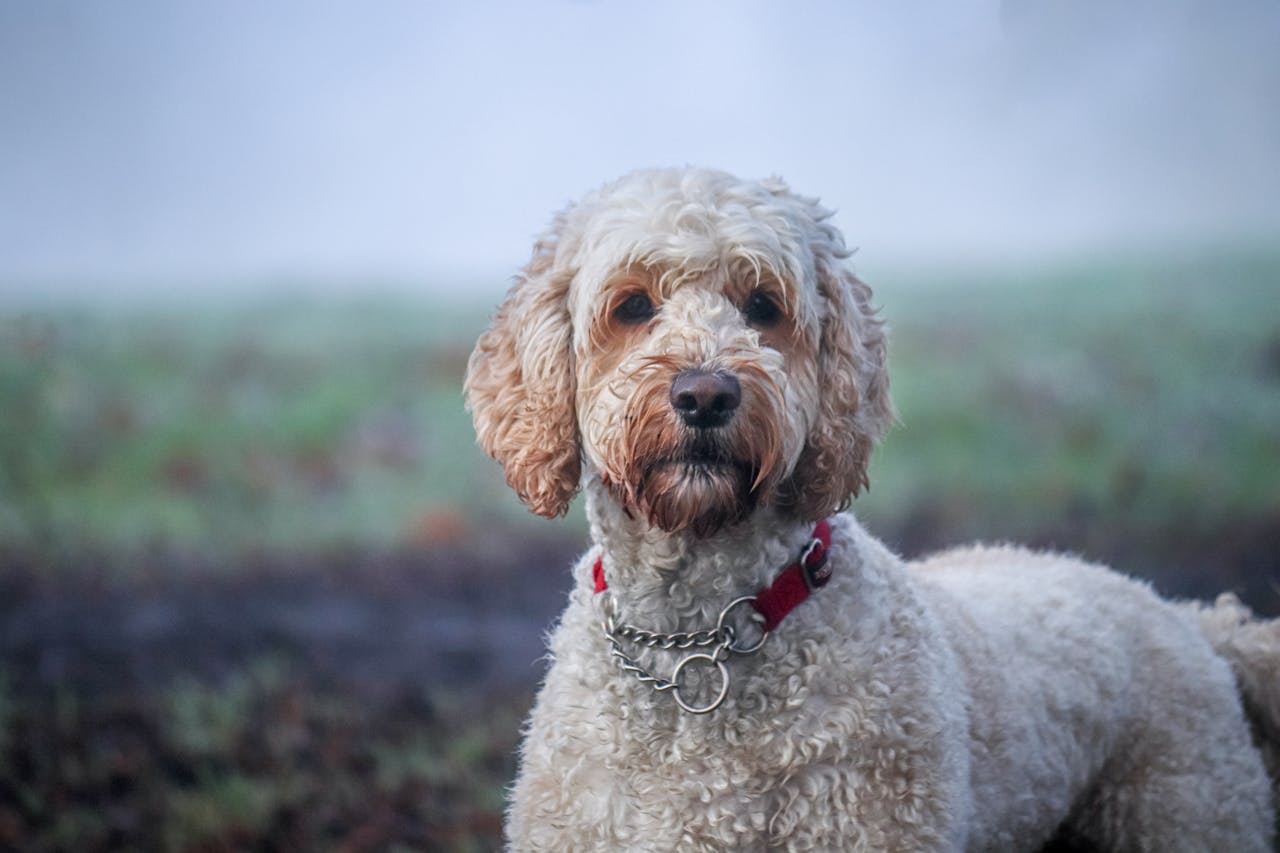
Labrador-Poodle cross originally popularized in pursuit of an allergy-friendly guide dog.
| Size | Weight | Height | Lifespan |
|---|---|---|---|
| Miniature | 15 - 30 lbs | 14 - 16 inches | 12 - 15 years |
| Medium | 30 - 45 lbs | 17 - 20 inches | 12 - 15 years |
| Standard | 50 - 70 lbs | 21 - 24 inches | 12 - 15 years |
| (These are estimates and may vary.) | |||
Origin: Australia
Own a Labradoodle? Share what activities they enjoy to help other dog owners.
Select up to 5 Activities
Know a Labradoodle? Share their personality traits to help other dog owners.
Select up to 5 traits
May be a good fit if you:
- Want a dog that is generally responsive to consistent, positive training.
- Are looking for a breed that generally does well with children.
- Want a dog that generally gets along well with other dogs.
Things to consider:
- This breed may not do well when left alone for long periods.
- This breed tends to need plenty of regular physical activity.
Labrador-Poodle crosses existed before the modern Labradoodle became famous, but the cross gained international attention through an Australian guide-dog breeding experiment in the late 1980s. Wally Conron, working for the Royal Guide Dog Association of Australia, was trying to produce a guide dog for a woman whose husband was allergic to dogs. A Standard Poodle was crossed with a Labrador Retriever in hopes of combining guide-dog suitability with a coat that might be better tolerated. One puppy reportedly met the family's particular needs, but finding homes for the other crossbred puppies initially proved difficult. Conron began calling them Labradoodles, and publicity helped generate unexpected public demand. The idea spread rapidly, eventually producing both casual Labrador-Poodle crosses and organized Australian breeding programs that introduced additional breeds while attempting to establish more consistent lines. Labradoodles can vary considerably in size, coat, temperament, and shedding depending on their ancestry and generation. They are not recognized as a standardized breed by major traditional kennel clubs such as the American Kennel Club. Conron later publicly expressed concern that the enormous popularity of the concept encouraged irresponsible breeding. The Labradoodle nevertheless became one of the most influential modern crosses and helped trigger the worldwide popularity of intentionally bred Poodle mixes.