Otterhound
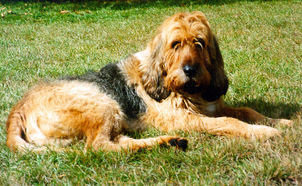
Large British scent hound developed to track otters through rivers and rough country.
| Size | Weight | Height | Lifespan |
|---|---|---|---|
| Giant | 80 - 115 lbs | 24 - 27 inches | 10 - 13 years |
| (These are estimates and may vary.) | |||
Origin: United Kingdom
Own a Otterhound? Share what activities they enjoy to help other dog owners.
Select up to 5 Activities
Know a Otterhound? Share their personality traits to help other dog owners.
Select up to 5 traits
May be a good fit if you:
- Want a dog that is generally responsive to consistent, positive training.
- Are looking for a breed that generally does well with children.
- Are a first-time dog owner looking for a relatively approachable breed.
Things to consider:
- Regular shedding means you may need to be comfortable with loose hair around the home.
- Coat maintenance may require significant regular grooming.
The Otterhound was developed in Britain for the specialized sport of hunting river otters. Otters competed with people for fish and were historically treated as quarry, leading hunters to maintain packs of large scent hounds capable of following an otter both along riverbanks and through water. The breed's ancestry includes old British hound stock, with Bloodhound-type dogs contributing to its exceptional scenting ability. Otterhounds developed several features useful for aquatic work: a rough, oily double coat offered protection in cold water, while their large feet are notably webbed. Packs might follow an otter's scent for hours over land and water, demanding considerable endurance. Otter hunting became increasingly controversial as otter populations declined, and the practice was eventually banned in Britain in 1978. Ironically, the disappearance of the breed's traditional job left the Otterhound itself in a precarious position. It is now one of Britain's rarest native breeds, with a worldwide population far smaller than that of most familiar purebred dogs. Modern Otterhounds are primarily companions, but their powerful noses, booming voices, love of water, and shaggy weather-resistant coats remain unmistakable evidence of their highly specialized history.