Pitsky
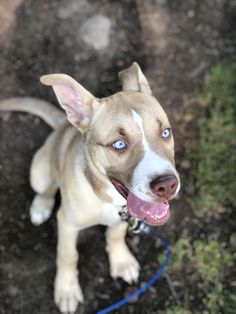
Pit Bull-Husky cross known for its athletic build, energy, and people-focused nature.
| Size | Weight | Height | Lifespan |
|---|---|---|---|
| Medium | 30 - 50 lbs | 16 - 20 inches | 12 - 16 years |
| Large | 50 - 70 lbs | 20 - 25 inches | 12 - 16 years |
| (These are estimates and may vary.) | |||
Origin: United States
Own a Pitsky? Share what activities they enjoy to help other dog owners.
Select up to 5 Activities
Know a Pitsky? Share their personality traits to help other dog owners.
Select up to 5 traits
May be a good fit if you:
- Want a dog that is generally responsive to consistent, positive training.
- Are looking for a breed that generally does well with children.
Things to consider:
- This breed may not do well when left alone for long periods.
- Regular shedding means you may need to be comfortable with loose hair around the home.
The Pitsky is a modern cross between a pit bull-type dog, most commonly an American Pit Bull Terrier or American Staffordshire Terrier, and a Siberian Husky. There is no single documented breeder responsible for creating the cross, and the name became popular as intentional mixed-breed dogs gained visibility during the late 20th and early 21st centuries. Both sides of the cross contribute athletic working ancestry. Siberian Huskies were developed for endurance sled work, while pit bull-type dogs descend from powerful terriers that later filled a variety of roles as farm, hunting, sporting, and companion dogs in North America. A Pitsky can therefore inherit substantial strength, stamina, prey drive, and exercise needs. Appearance is highly variable. Some have upright Husky-like ears or blue eyes, while others more strongly resemble their pit bull-type parent. Coat length can range from short to a dense double coat, and shedding may be significant when Husky coat traits are inherited. Temperament likewise cannot be predicted simply from the cross's name. Pitskies are not recognized as a distinct breed by major traditional kennel clubs, and there is no standardized breeding population. The term describes a particular parent combination rather than a breed with a fixed historical type.